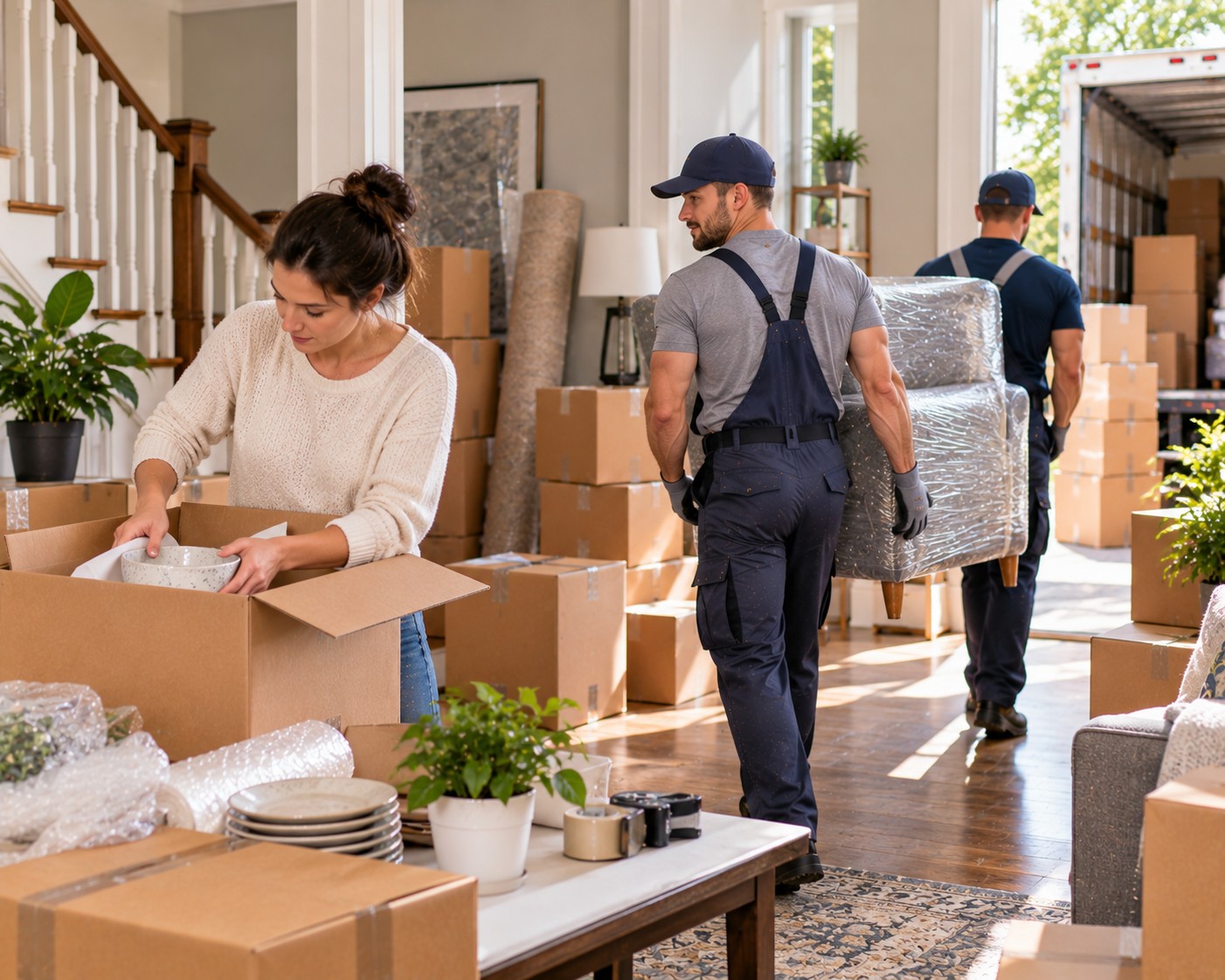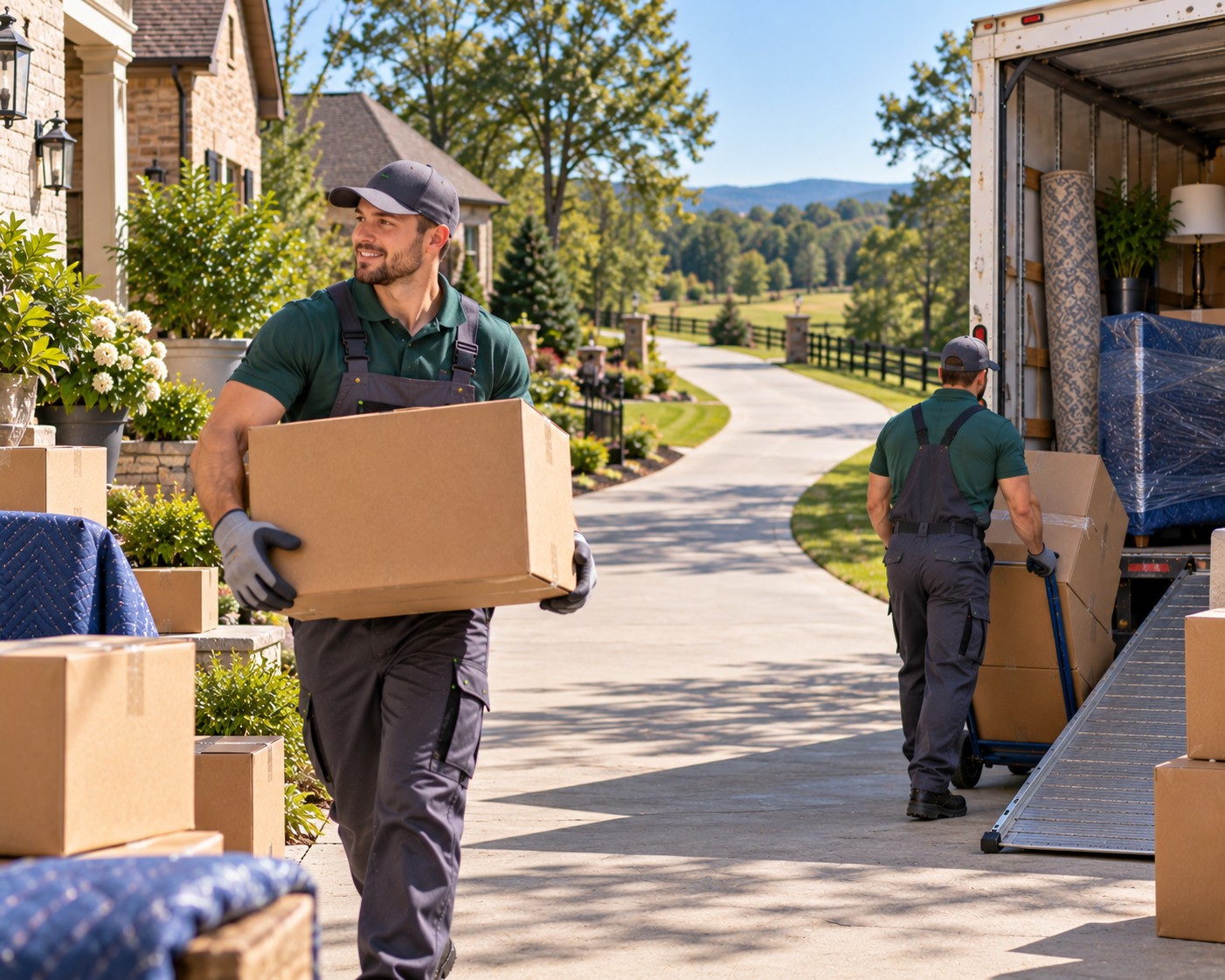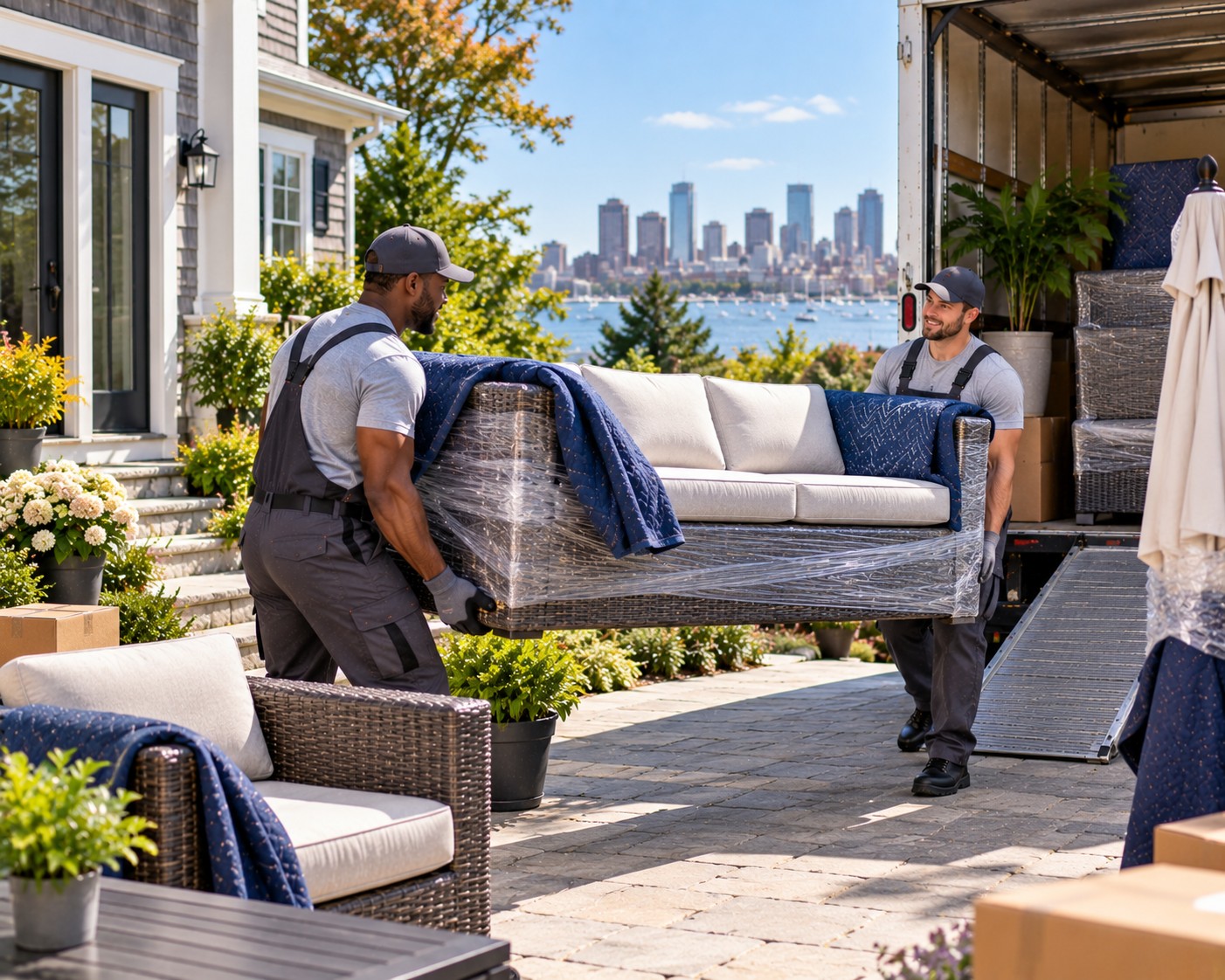








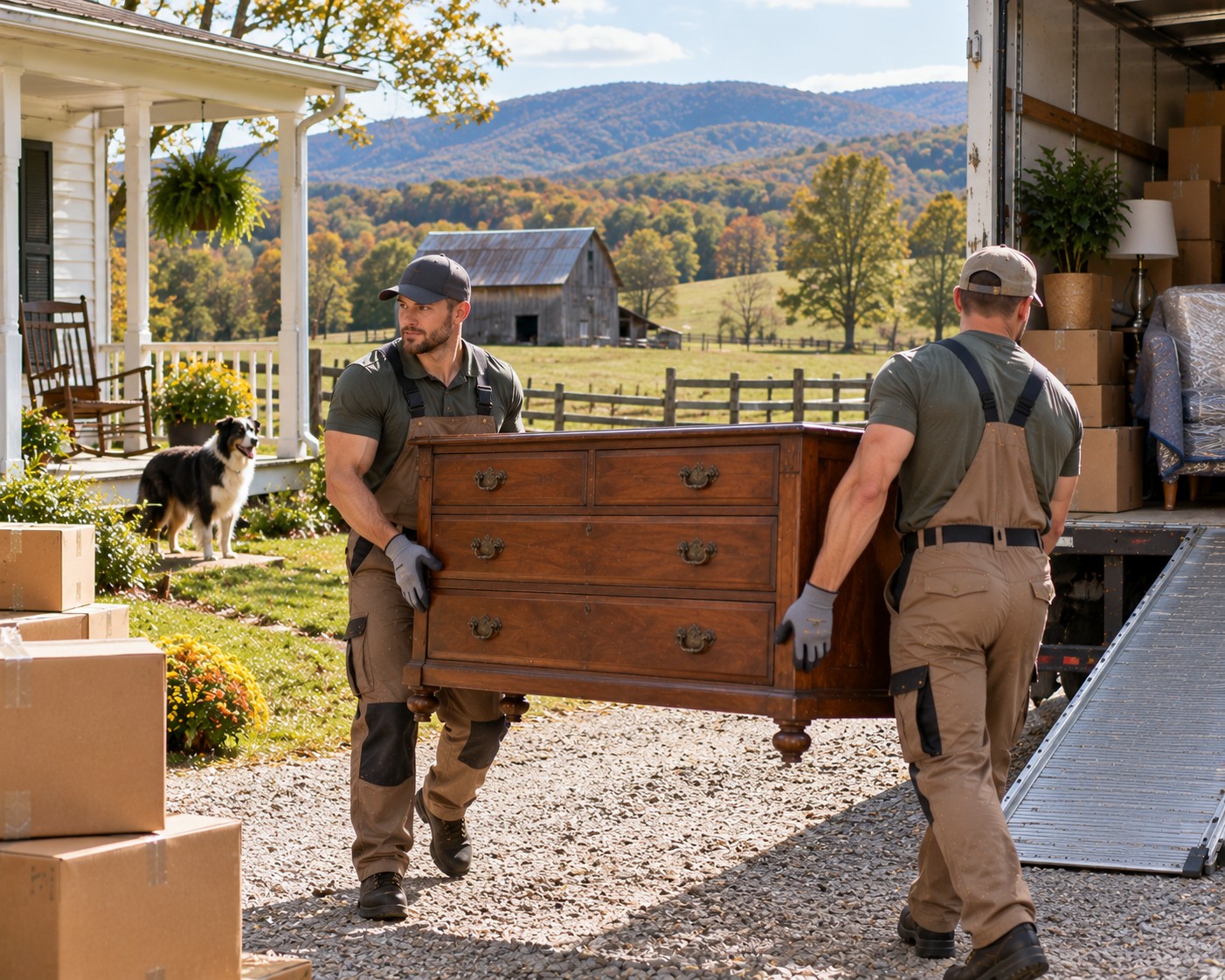
Relocating from a rural homestead near Lewisburg is rarely comparable to moving from a suburban house. A homestead may include a main residence, workshop, detached storage, garden equipment, tools, outdoor furniture, seasonal supplies, and years of accumulated household belongings. When the destination is several states away, every part of the property needs to be considered before the moving truck arrives.
For rural homeowners, the key is to separate the move into manageable categories while accounting for property access, oversized belongings, weather, and the realities of long-distance transportation.
Begin With the Entire Property
A typical household inventory may not accurately represent what needs to leave a homestead. Instead of walking only through the main house, inspect every structure and outdoor area.
Create separate categories for household furniture, workshop equipment, garden tools, seasonal belongings, garage contents, recreational equipment, and personal possessions. This makes it easier to determine what will be transported, sold, donated, stored, or left behind.
Star Van Lines Movers can be considered as part of a relocation plan where the physical transportation of a large household needs to be coordinated with the property’s specific conditions.
Separate Everyday Items From Homestead Equipment
Some belongings may be needed immediately after arrival, while others can remain packed until the new property is fully organized. Keep clothing, important documents, medications, chargers, basic kitchen supplies, and essential tools separate from the main shipment.
Workshop and garden equipment deserve individual attention. Heavy tools should be assessed for weight and safe loading, while smaller hand tools can be grouped in clearly labeled containers.
Prepare a Rural Property for Loading
Access is one of the most important issues when moving from a homestead. A long driveway, gravel approach, narrow bridge, gate, steep section, or soft ground can affect where a large vehicle can safely position itself.
Inspect the property before moving day. Remove branches or obstacles that could interfere with the truck, clear the driveway, and identify the most practical loading area. If the truck cannot reach the house directly, establish a safe staging point.
The walking distance between the home and truck should also be considered. Boxes and furniture may need to travel across yards or uneven surfaces, making organized staging particularly valuable.
Plan for Long-Distance Transportation
A long-distance relocation requires more than simply loading everything and setting off. Items may spend considerably longer in transit than they would during a local move, so secure packing and stable positioning become especially important.
Furniture should be protected according to its material and construction. Glass, mirrors, electronics, artwork, and delicate wooden pieces need additional padding. Heavy workshop equipment should be positioned so that it cannot shift into lighter belongings during transportation.
For households relocating elsewhere in the state, https://starvanlinesmovers.com/locations/west-virginia can provide a useful starting point when exploring moving support across West Virginia.
Think About the Destination Before Departure
The new property may have completely different access conditions. A large rural home at the destination could have a driveway with a different slope or surface, while a suburban property may have limited space for a moving vehicle.
Obtain basic measurements for entrances, garages, storage buildings, and major rooms before delivery. Knowing where oversized belongings will go can prevent unnecessary handling once the shipment arrives.
Protect Valuable Rural Belongings
Homesteads often contain items with significance that goes beyond their monetary value. Handmade furniture, family tools, collections, workshop pieces, and objects associated with years spent on the property may deserve additional care.
Photograph valuable items before packing and keep a simple inventory. Label boxes according to their destination area rather than using vague descriptions. This makes unloading easier and helps preserve the organization of the household during a major transition.
Star Van Lines Movers can support the physical side of a move, but careful preparation by the homeowner remains essential. The more clearly the inventory and property access are understood beforehand, the easier it becomes to coordinate the relocation.
Build a Practical Arrival Strategy
Avoid putting every responsibility onto the first day at the new property. Keep an essentials kit accessible and arrange for utilities, basic cleaning, and necessary repairs to be completed before delivery whenever possible.
For a rural household, it may also help to identify where tools, outdoor equipment, and storage items will eventually be kept. Establishing these areas early prevents garages and outbuildings from becoming temporary piles of unidentified belongings.
A long-distance homestead relocation near Lewisburg becomes much more manageable when the entire property—not just the house—is included in the moving plan. By organizing equipment, preparing rural access, protecting valuable possessions, and planning the destination in advance, homeowners can make a major transition feel far more controlled.