








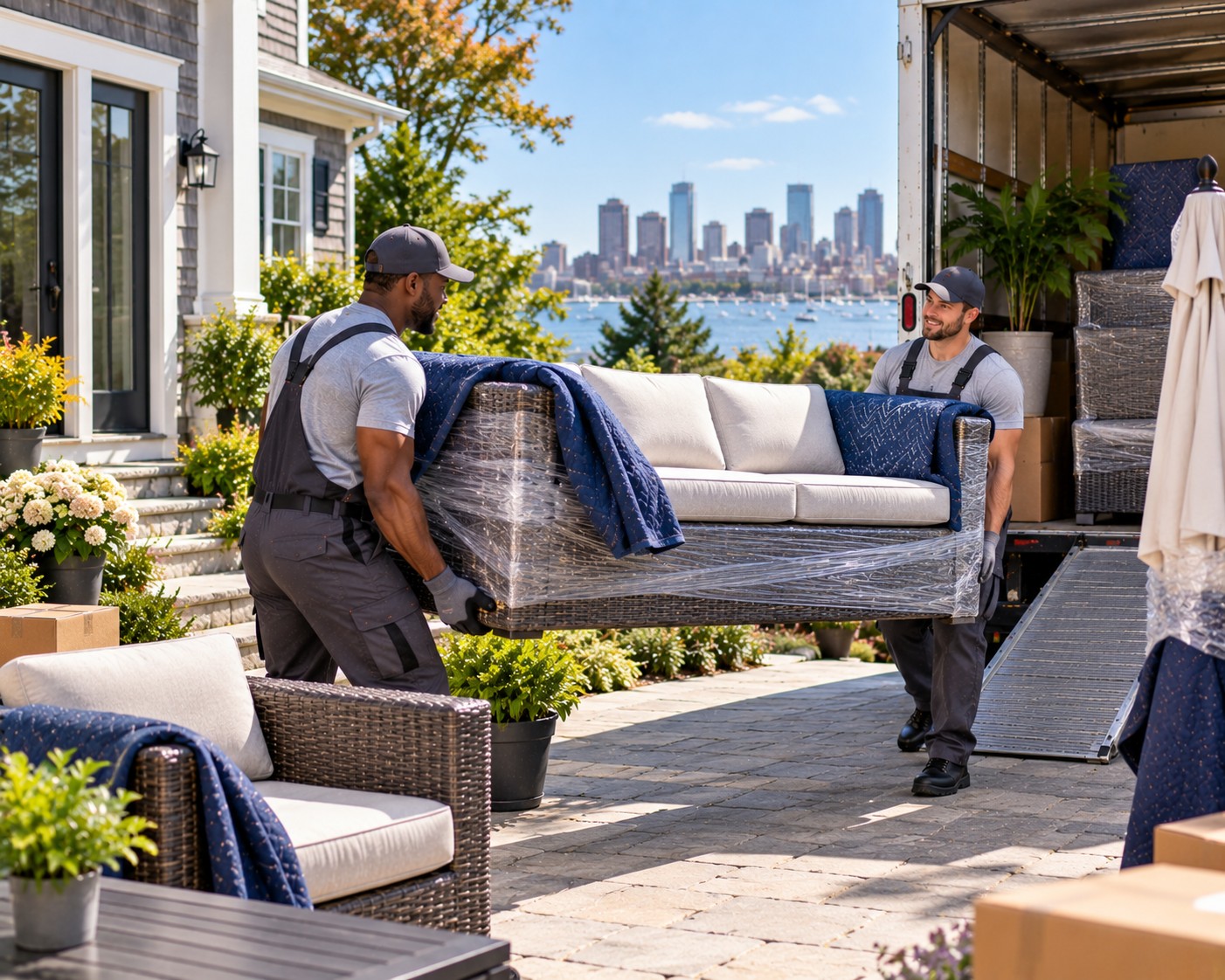
Outdoor furniture is often overlooked when a household move is being planned. Patio sofas, dining sets, grills, loungers, umbrellas, fire pits, and decorative pieces can be bulky, awkward to handle, and surprisingly delicate. When the destination is several states away, transporting these items requires a different approach from packing ordinary household belongings.
Whether you are moving from a Boston backyard, rooftop terrace, or suburban patio, preparation should begin before moving day. The resources at https://bostonjusthelpersmoving.com/ can help you start organizing the wider relocation while you decide which outdoor possessions deserve space in the shipment.
Decide What Is Worth Transporting
Compare Size, Condition, and Replacement Cost
Not every patio item automatically belongs in the moving truck. Outdoor furniture is exposed to rain, sunlight, temperature changes, and moisture, so some pieces may already show signs of wear.
Inspect each item before packing. Look for:
- Rust or corrosion
- Cracked frames
- Faded cushions
- Loose hardware
- Damaged wood
- Worn fabric
- Broken wheels or mechanisms
If a chair or table is inexpensive and nearing the end of its useful life, replacing it after the move may make more sense than transporting it across the country.
On the other hand, quality teak furniture, custom pieces, premium outdoor seating, or sentimental items may be worth preserving carefully.
Clean Everything Before Packing
Remove Dirt and Moisture
Outdoor furniture can carry soil, leaves, pollen, dust, and other debris. Clean each piece thoroughly before it enters the moving shipment.
Allow furniture to dry completely afterward. Packing damp cushions or wet fabric can trap moisture and create unpleasant odors during transportation.
Cushions should receive particular attention. Remove covers where possible, wash them according to the manufacturer’s instructions, and make sure they are completely dry before packing.
Inspect Hidden Areas
Check underneath tables, chairs, planters, storage boxes, and other outdoor items. Small insects, leaves, or accumulated dirt can hide in joints and corners.
A careful inspection keeps unwanted debris from traveling with your household and makes unpacking much cleaner.
Prepare Bulky Furniture for Transportation
Disassemble Whenever Practical
Large outdoor dining tables, sectional seating, benches, and shelving may become easier to transport after partial disassembly.
Remove table legs, detachable cushions, umbrella bases, shelves, and other components where appropriate. Keep screws and hardware together in labeled bags and attach them to the corresponding furniture whenever possible.
Take photographs before disassembly if a piece has a complicated construction. These images can serve as a useful reference when you are ready to rebuild everything at the destination.
Protect Exposed Surfaces
Metal frames, painted surfaces, glass tabletops, and finished wood can be vulnerable to scratches during handling. Use suitable protective materials around corners and delicate surfaces.
Glass components should receive especially careful protection and should be separated from heavier items whenever possible.
Think About the Entire Long-Distance Route
Outdoor furniture may spend considerable time in transit, making proper preparation even more important. Weather exposure during loading or unloading, repeated handling, and limited storage space can all affect bulky patio equipment.
For broader planning information, https://bostonjusthelpersmoving.com/long-distance-moving/ can be useful when organizing a relocation that extends well beyond the Boston area.
Create an inventory of your outdoor belongings before they are loaded. Record particularly valuable pieces and photograph their condition. This gives you a straightforward reference when everything arrives.
Handle Special Outdoor Items Carefully
Grills and Fuel-Related Equipment
Grills require additional attention because of their components and fuel systems. Clean them thoroughly, remove detachable parts, and follow the applicable transportation requirements for propane tanks, fuel, or other hazardous materials.
Do not assume that every outdoor appliance can simply be placed into the moving truck. Check the specific requirements before moving day.
Umbrellas and Lightweight Accessories
Large patio umbrellas can be awkward despite their relatively low weight. Close and secure them properly, remove detachable stands where possible, and protect the fabric from dirt.
Smaller outdoor accessories should be grouped together so they do not become separated from the main furniture.
Make Unloading Easier
Label Furniture by Its Destination
When outdoor furniture reaches the new property, decide where each piece should go before unloading begins. Labels such as “patio,” “balcony,” or “terrace” can help distinguish outdoor belongings from indoor furniture.
If the new property has limited access, narrow gates, stairs, or a small balcony, measure those areas before moving day. A piece that fit comfortably on the old patio may require a different installation strategy at the destination.
Give Your Outdoor Space a Fresh Start
Moving outdoor furniture is not simply about carrying heavy objects from one address to another. It is an opportunity to reconsider how you want to use your next outdoor space. Some pieces may follow you because they are durable and meaningful, while others can make way for furniture better suited to the new property.
With careful cleaning, selective packing, appropriate protection, and organized handling, outdoor belongings can become part of the new home without turning the long-distance relocation into an unnecessary complication.