









A residential move from Clearwater to another part of Pinellas County may look simple on a map, but the logistics can still become surprisingly complicated. Different neighborhoods have different property layouts, parking conditions, building requirements, and access routes. A family may also be coordinating the move with a home purchase, lease expiration, renovation, or changes to work and school routines.
Starting with a clear plan can make the transition much easier. Homeowners can arrange professional assistance through https://dunedinmovers.com/ while organizing their belongings around the destination home’s layout rather than treating the relocation as a simple truck ride.
Let the New Home Influence What You Pack
One of the most useful steps is to evaluate the destination before packing everything. A larger Clearwater house may contain furniture that will not be necessary in a smaller property elsewhere in the county.
Measure major pieces such as sofas, dining tables, wardrobes, beds, desks, and shelving. Compare those dimensions with the rooms and entrances at the new address.
Sort Before the Boxes Multiply
Create separate groups for items that will move, be donated, sold, recycled, or stored temporarily. This is particularly useful for garages and spare rooms, where belongings can accumulate without regular use.
Reducing the volume before moving day means fewer cartons, less furniture handling, and a simpler unpacking process.
Pay Attention to the Route Between Properties
A move across Pinellas County can involve different road conditions and property access arrangements. The route itself is only one part of the equation. The final few yards between the moving vehicle and the front door may have a major effect on the work involved.
Check for:
- Narrow driveways
- Gated entrances
- Stairs
- Long walkways
- Limited parking
- Building loading areas
- Tight doorways
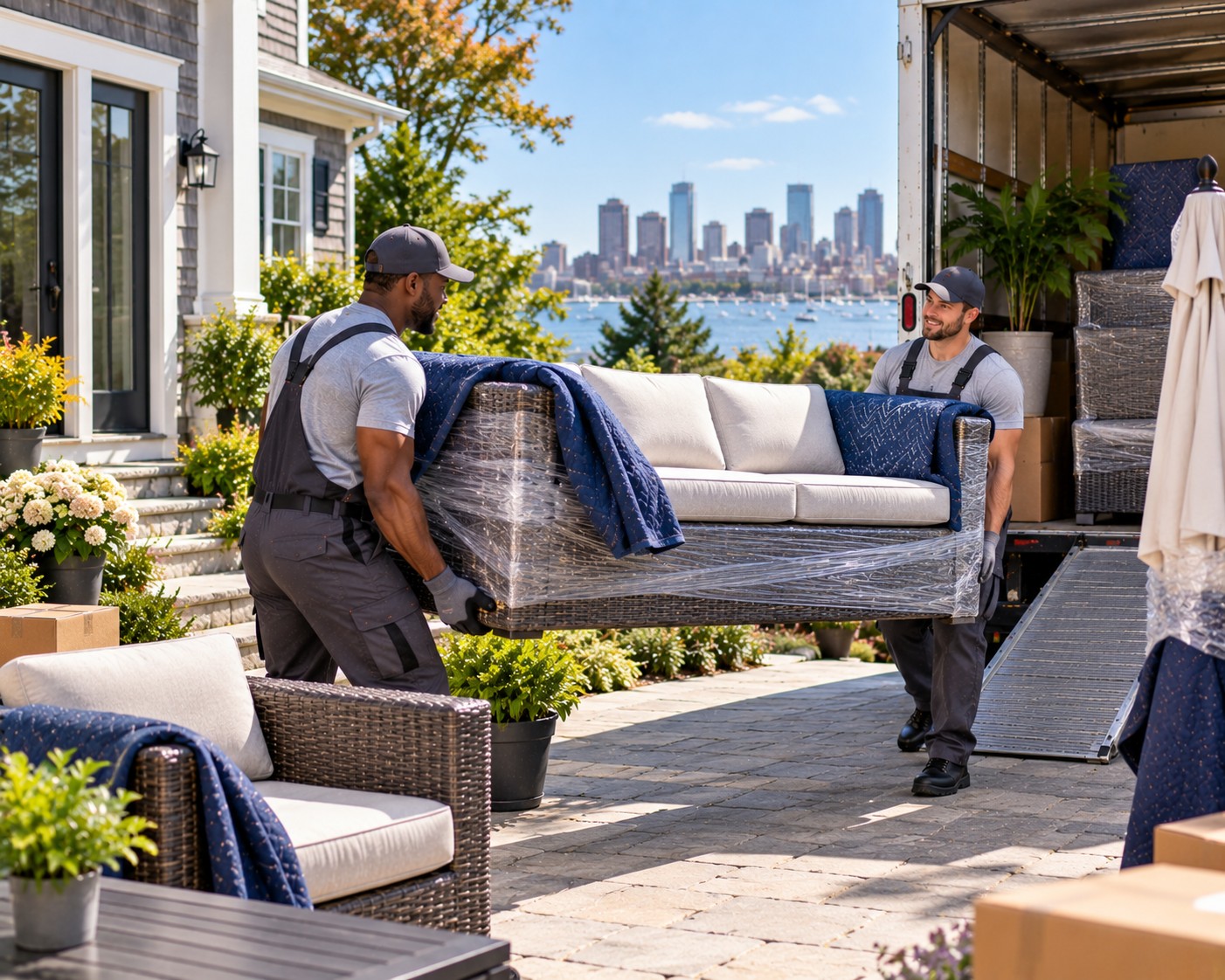
Large furniture should be measured against the access route whenever there is any doubt. A sofa that fits inside a room may still be difficult to maneuver through the entrance.
Protect Furniture During a Local Relocation
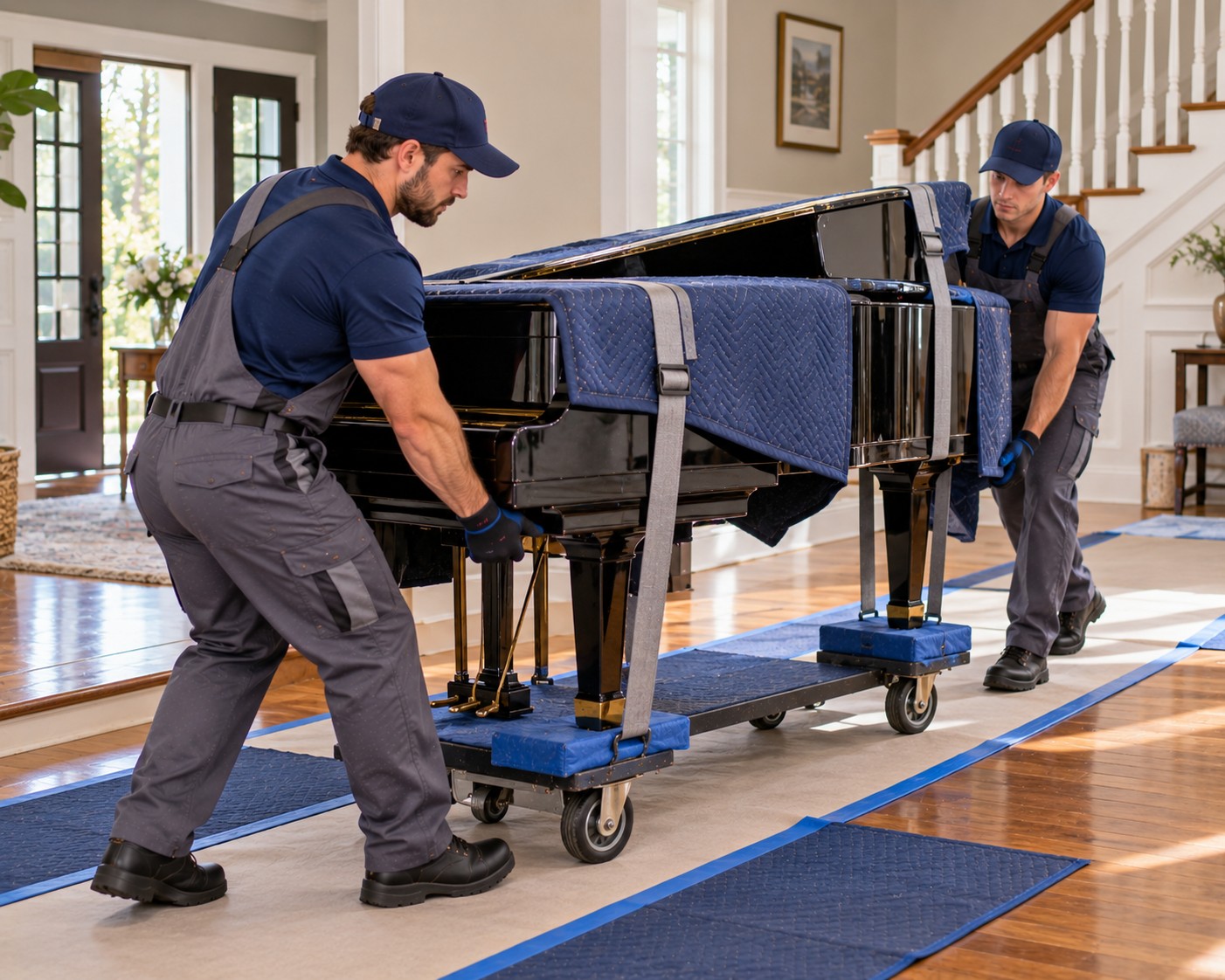
Shorter transportation distances do not eliminate the need for careful furniture protection. Heavy pieces can still suffer scratches, while polished surfaces, glass panels, and upholstered furniture can be damaged during loading or unloading.
Moving blankets, protective wrap, floor coverings, and corner protection can help reduce these risks. Furniture that can be safely disassembled should be separated into manageable components when appropriate.
Keep screws and fittings in labeled bags and attach them to the relevant furniture piece. For complicated items, photographs taken before disassembly can make reconstruction much easier.
Organize the Move Around Your Household
A family move does not have to disrupt every part of daily life at once. Begin packing infrequently used belongings while leaving essential items available until the final days.
Seasonal decorations, spare bedding, books, decorative objects, and occasional-use kitchen equipment can usually be packed ahead of time.
Keep one clearly identified group of essentials outside the main shipment. Include clothing, toiletries, medications, chargers, documents, basic kitchen supplies, and cleaning products.
Give Children and Pets Their Own Plan
Children may find the moving process easier when their familiar belongings are easy to locate. Pack a small personal bag with favorite items, snacks, clothing, and entertainment.
Pets should also have their essentials separated from the main household shipment. Food, water bowls, medications, leashes, bedding, and familiar toys should remain accessible during the transition.
When Professional Residential Support Helps
A move within the same county may still involve dozens of furniture pieces and hundreds of boxes. Professional assistance can reduce the physical workload and provide a more organized loading and unloading process.
The residential moving services available at https://dunedinmovers.com/residential-moving/ can be incorporated into plans involving packing, furniture handling, transportation, unloading, and other household moving needs.
Professional support can be especially useful when a home contains oversized furniture, fragile belongings, appliances, or multiple bedrooms that need to be cleared within a specific timeframe.
Make the New Home Functional First
Once the shipment arrives, avoid trying to unpack everything simultaneously. Begin with the rooms that are needed immediately.
Set up beds, basic bathroom supplies, essential kitchen items, and frequently used electronics first. Clearly labeled boxes make it easier to find these belongings without opening every carton.
A move across Pinellas County from Clearwater becomes much more manageable when the household treats it as a coordinated transition rather than a single moving-day event. Thoughtful sorting, destination-based packing, furniture protection, and realistic scheduling can help the family settle into the new home with less disruption and a clearer sense of control.