







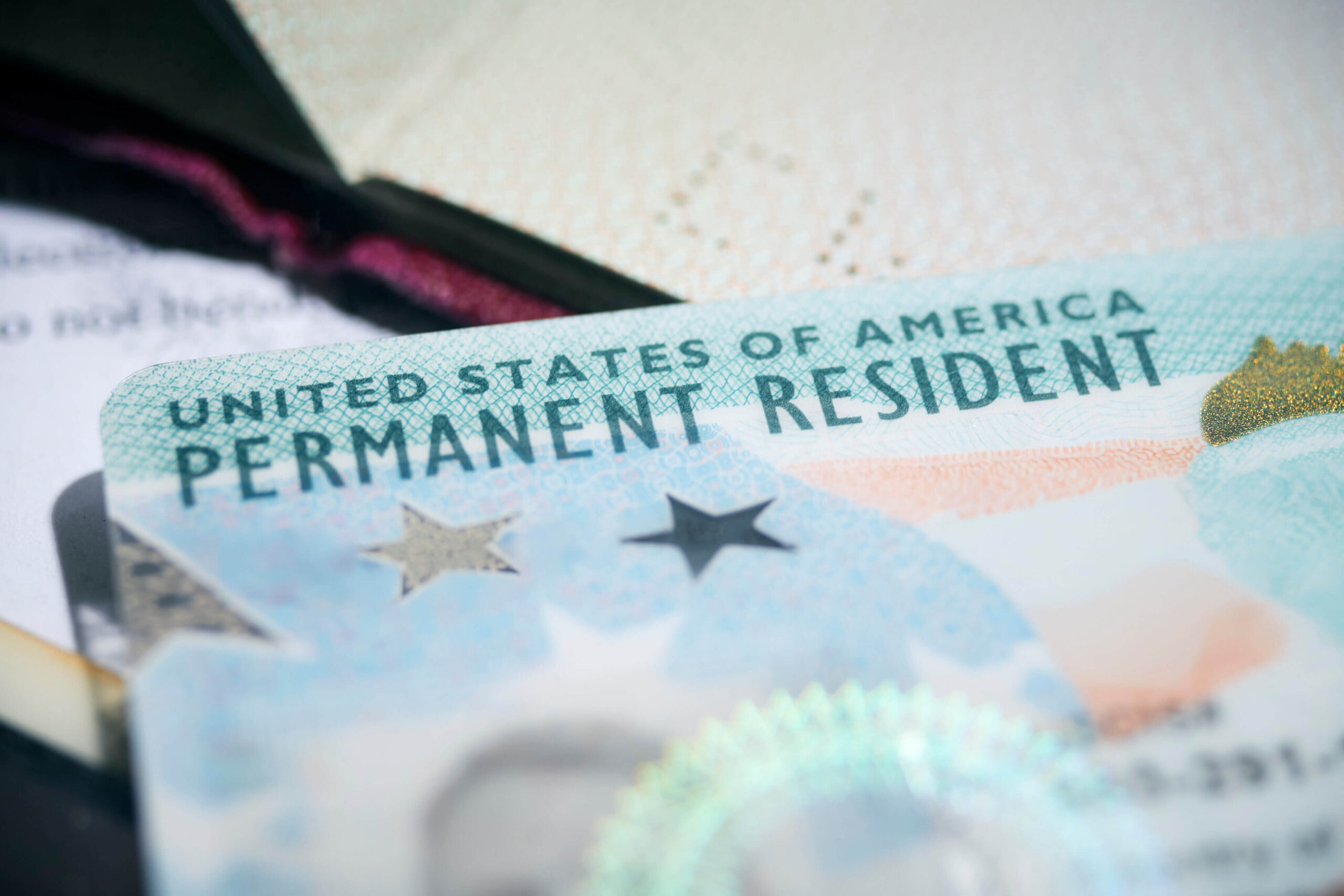
The Trump administration is reinstating a rule that could bar green cards for immigrants who rely on public benefits such as food stamps, Medicaid and housing vouchers, reviving a policy Democrats scrapped four years ago.
Read more Morning Greatness: ABC, NBC Refuse to Air Trump’s Election Fraud Speech, CBS Cuts Away
The rule, known as “public charge,” appeared in the Federal Register on Thursday. It will be formally published July 20 and take effect Sept. 18. Under the policy, green card applicants must demonstrate they will not become a burden on American taxpayers.
The administration first put the rule in place in February 2020 during President Donald Trump’s first term, part of an effort to limit legal immigration. President Joe Biden reversed it after taking office.
Its return comes as the administration presses ahead with a hardline approach to both illegal and legal immigration, and as the cost of health care and groceries continues to climb for American families.
U.S. Citizenship and Immigration Services (USCIS) said the move restores accountability to a system Democrats had let erode.
“Under President Trump, USCIS is restoring the basic principle that immigrants must be able to support themselves,” the agency said in a post on X. The rule, it said, is “reaffirming the requirement of self-reliance, protecting public resources and ending policies that encouraged dependency on the backs of hard-working American taxpayers.”
Read more The New American Industrial Revolution Runs on Data Centers
Federal law has long required green card applicants to prove they won’t become a public charge. The update broadens the list of programs that count against an applicant, though supporters note the underlying standard of self-sufficiency is nothing new.
Immigrant advocacy groups condemned the rule’s revival. Adriana Cadena, executive director of the Protecting Immigrant Families Coalition, called it “a direct assault on immigrant families, and a threat to our country’s health and economic security,” accusing the administration of “basing immigration decisions on bias and politics, regardless of the resulting harm.”
But research suggests the rule’s actual reach is far narrower than critics claim. A 2020 Migration Policy Institute study found no more than 167,000 people, less than 1percent of the 22.1 million noncitizens then in the U.S., could actually be found ineligible based on current use of a listed benefit. The Census Bureau counted 22.8 million noncitizens in the country in 2023.
For the administration, the message is that the standard was never meant to be optional. Immigrants seeking to build a future in the United States, officials said, should be able to stand on their own not on programs funded by taxpayers.
Read more Secretary Rubio’s Campaign to Dismantle the ICC: Defending American Sovereignty at Last