







President Donald Trump has signed off on a sweeping 30-year civil nuclear agreement with Saudi Arabia, a deal administration officials say will lock American companies into the kingdom’s energy future and keep Moscow and Beijing on the sidelines.
Read more Morning Greatness: House Passes Bill to Ban Members From Buying Stock
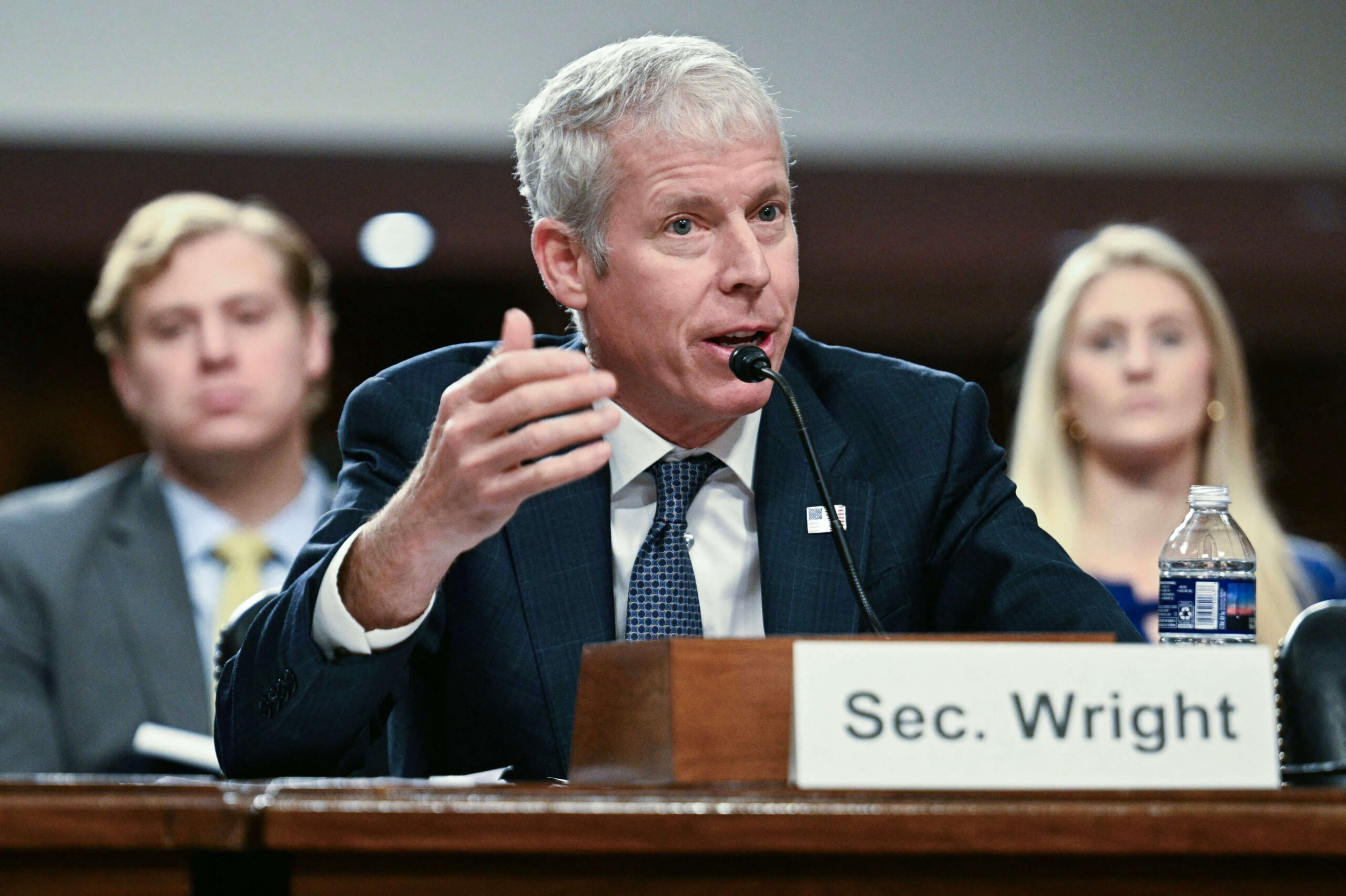
Energy Secretary Chris Wright is expected to formally sign the accord alongside Saudi Energy Minister Prince Abdulaziz bin Salman, capping months of negotiations that began during Wright’s first foreign trip to the region in April 2025. The pact, valued at tens of billions of dollars, still must clear a congressional review period before taking effect.
Under the agreement, U.S. firms, led by Westinghouse Electric and its AP1000 reactor capable of powering a midsize city or a large artificial-intelligence data center, would build out Saudi Arabia’s nuclear infrastructure. A joint two-year study will examine whether the kingdom should eventually host its own uranium-enrichment facility, built and operated by American companies under a tightly controlled “black box” structure meant to keep sensitive technology out of Saudi hands. If Washington decides against enrichment, Riyadh would be barred from pursuing it alone or with another country for a decade.
Trump officials cast the arrangement as a national-security win, saying that U.S. oversight is the surest way to keep the program peaceful while denying Russia and China a foothold in one of the world’s most important oil-producing nations. “Rest assured, these agreements uphold the highest standards of nuclear safety and nonproliferation, while relying on the world’s best nuclear technology and scientists, designed right here in the United States,” Wright said in a statement, calling it part of an “American nuclear renaissance.”
Robert Einhorn, a former State Department nonproliferation adviser under both Republican and Democratic administrations, said the deal could pay dividends for U.S. industry and the broader relationship with Riyadh. “But unless it contains adequate constraints, including on enrichment, it could increase nuclear proliferation risks in the Middle East and beyond,” he said.
Read more Rand Paul Should Make Fauci Answer for Wuhan and BeagleGate Lies
Some lawmakers are already lining up against it. Rep. Brad Sherman, a California Democrat, argued Riyadh should be made to forswear enrichment and spent-fuel reprocessing outright, writing that a president fighting to stop nuclear proliferation elsewhere “should not facilitate proliferation just because U.S. companies stand to make a profit.” Nonproliferation advocate Henry Sokolski warned that other regional powers, including Turkey and Egypt, could follow Saudi Arabia’s lead.
Unlike the Biden administration, which tied nuclear cooperation to Saudi normalization with Israel, Trump is not making diplomatic recognition a precondition, a shift that could clear the way for the deal even as normalization talks remain stalled since Hamas’s October 2023 attack on Israel.
Blocking the agreement would require a two-thirds majority in both chambers of Congress to override a presidential veto, a tough road that leaves opponents with few options beyond public pressure as the accord heads to Capitol Hill.
Read more Palantir and the New Instrument of American Influence