







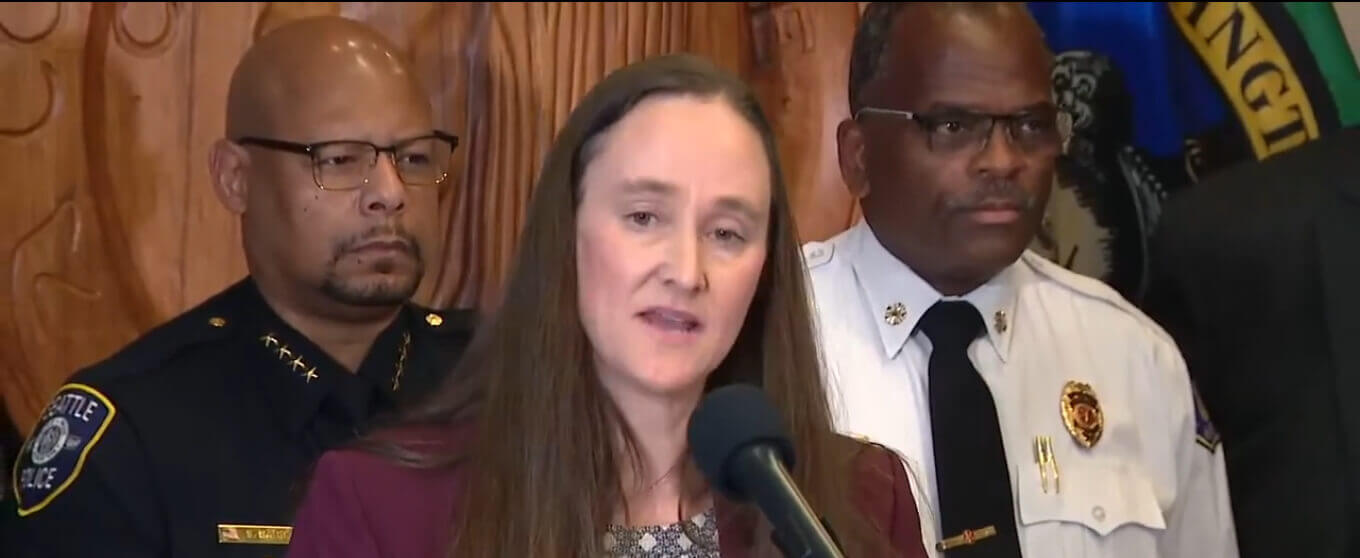
In the wake of a mass shooting in Seattle Sunday, the city’s Socialist Mayor Katie Wilson is facing scrutiny for deactivating surveillance cameras in parts of the city to protect criminals and illegal aliens.
Read more Fugitive on FBI’s ‘Most Wanted Fraudsters’ List Arrested, Returned to U.S.
A shootout between two thugs at Seattle’s Bite of Seattle food festival Sunday evening left three people dead and four others injured, including a toddler.
Seattle Police and SWAT teams responded within seconds, performing emergency aid at the scene and launching a search for suspects. Police reportedly recovered two guns at the scene.
Police identified the deceased victims as a 19-year-old man, 44-year-old man, and 56-year-old woman.
A two-year-old boy, 23-year-old man, 39-year-old woman, and a 40-year-old woman received minor injuries, with three in stable condition at an area hospital, and one declining hospital transport.
Only one suspect was taken into custody—a 15-year-old black male who is being held in a juvenile detention facility.
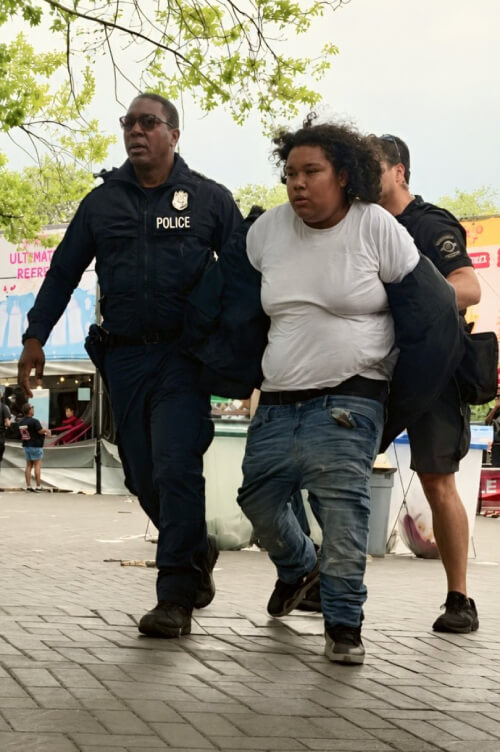
The teen is being held for investigation of firearms violations and first-degree assault, Mayor Wilson announced in a news conference Monday.
The other suspect remains at large, and Seattle Police are asking for tips from the public to find him.
The shooting occurred at around 6 p.m. during the annual three-day festival at the Seattle Center featuring hundreds of food vendors, live music, and a large crowd.
Investigators told reporters Sunday that no surveillance cameras were present at the site to help track the suspect, possibly due to Wilson’s fierce opposition to the crime-fighting tools.
The far-left mayor has vocally opposed putting CCTV cameras in public spaces, saying they “put refugees at risk.”
Read more Hawaii’s Democrat Lt. Gov. Sylvia Luke Indicted in COVID Contract Bribery Scheme
“Turning on more cameras won’t magically make our neighborhoods safer, but it will certainly make our neighborhoods more vulnerable,” she said in 2025 after the Seattle City Council approved the expansion of the Real Time Crime Center, a CCTV pilot program.
Wilson has ordered an audit reviewing policies and practices governing all cameras connected to the program, including how the data is stored and used, KOMO News reported. No new police CCTV cameras may be activated while the city awaits the results of the audit.
The mayor said in an online post that cameras are still allowed to operate in the Chinatown-International District, and along Aurora Avenue North.
She had previously declined to turn newly installed Stadium District cameras on for the FIFA World Cup, but relented in June, announcing that the cameras could be activated during the World Cup, “because of its high profile and the unique circumstance surrounding the event.”
On July 7, the day after the FIFA World Cup concluded, Wilson immediately had the Stadium-District surveillance cameras deactivated. The Seattle Event Center is located about seven miles to North of the Stadium district.
Downtown Seattle Association President and CEO Jon Scholes pushed back on Wilson’s decision, arguing the cameras should stay on to protect the local community.
“Deactivating Seattle’s safety cameras makes zero sense,” Scholes said in a statement to KIRO Newsradio. “Massive crowds with international visitors may have left, but the community remains, and their safety should be supported by the best available resources. Cameras are helping keep our buses, light rail trains, airports, ports and roads safe. They’re a critical tool law enforcement utilizes to solve crimes, providing crucial evidence, while having important privacy code built into their use to protect the public. Turning off the cameras is blindfolding law enforcement and makes it harder to solve crimes.”
Federal investigators say surveillance cameras are key to solving crimes, providing the technical forensic analysis needed to bring the cases to a quick close.
Police are now having to rely on phone camera footage from witnesses at the event to find the second suspect.