





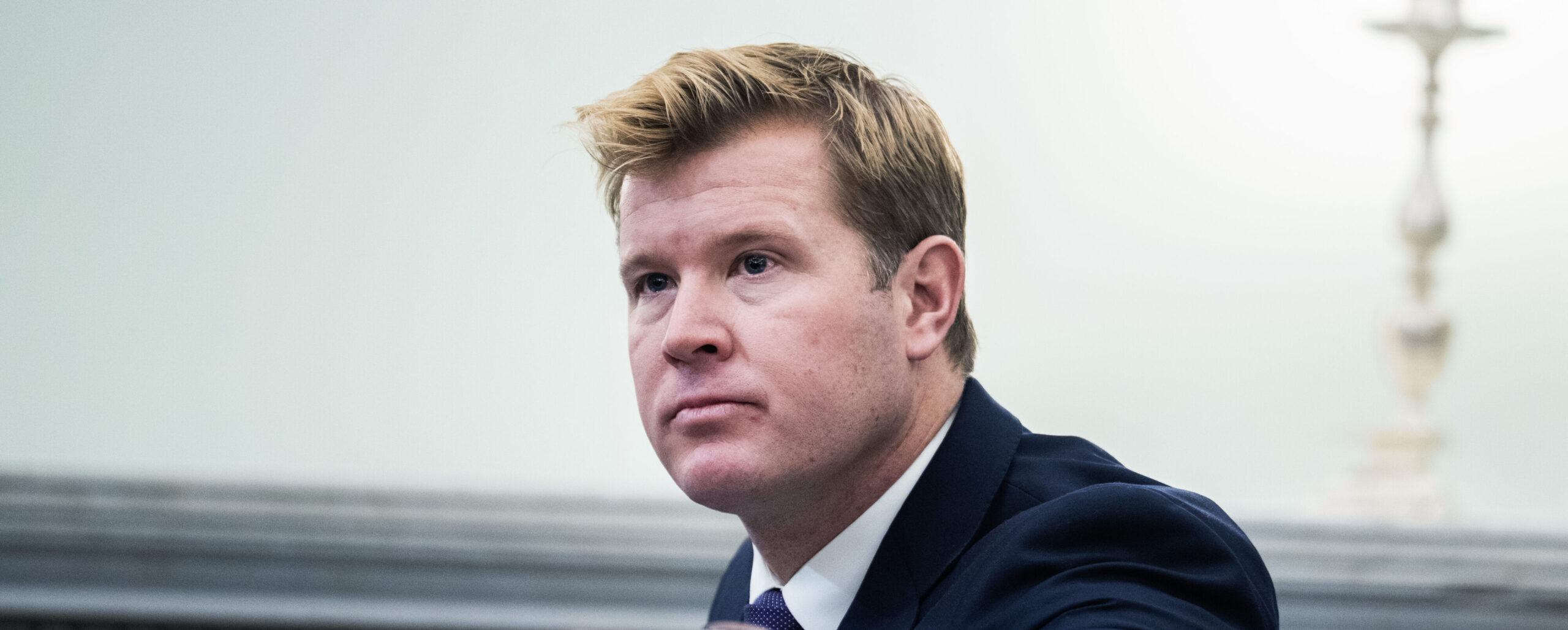
Senator Tim Sheehy (R-Mont.) is demanding a government review of two incidents in the past year involving the “theft, loss, or release” of a deadly pathogen” at a National Institutes of Health (NIH) research facility in Hamilton, Montana.
Read more Sen. John Cornyn, Rep. Chip Roy Defeated in Texas Election
Rocky Mountain Laboratories (RML), an NIH lab, “conducts studies on some of the world’s most dangerous diseases, meaning even small lapses could put Montana communities at risk,” Sheehy said in a press release, Tuesday.
Even more concerning are reports that a senior RML scientist allegedly attempted to smuggle dozens of vials of VHF [viral hemorrhagic fever] into the United States from Africa in January and lied to customs officials about their contents.
The senator sent a letter to Department of Health and Human Services Inspector General T. March Bell after a whistleblower came forward alleging misconduct by RML.
“Given the role of the Health and Human Services Office of the Inspector General in providing independent oversight of the NIH, I urge a formal investigation into the safety, security, and personnel practices at RML,” Sheehy wrote.
The first incident happened in November 2025, when a monkey, infected with Crimean-Congo hemorrhagic fever (CCHF), bit an RML employee, breaching their personal protective equipment and exposing them to the dangerous pathogen.
CCHF is a severe, tick-borne viral disease that causes hemorrhages, muscle pain, high fevers and carries a fatality rate of up to 40 percent.
The whistleblower told White Coat Waste, the animal advocacy group that first exposed the incidents, that the lab staffer was “bitten by an infected monkey (macaque) that was being tortured (infected and sickened with no pain mitigation).”
“This biosafety incident required the exposed employee to quarantine at a specialized medical facility to monitor symptoms and prevent disease transmission,” Sheehy wrote in his letter to the IG.
Additionally, in February 2026, a RML employee was potentially exposed to CCHF while handling laboratory mice due to a hole in their personal protective equipment.
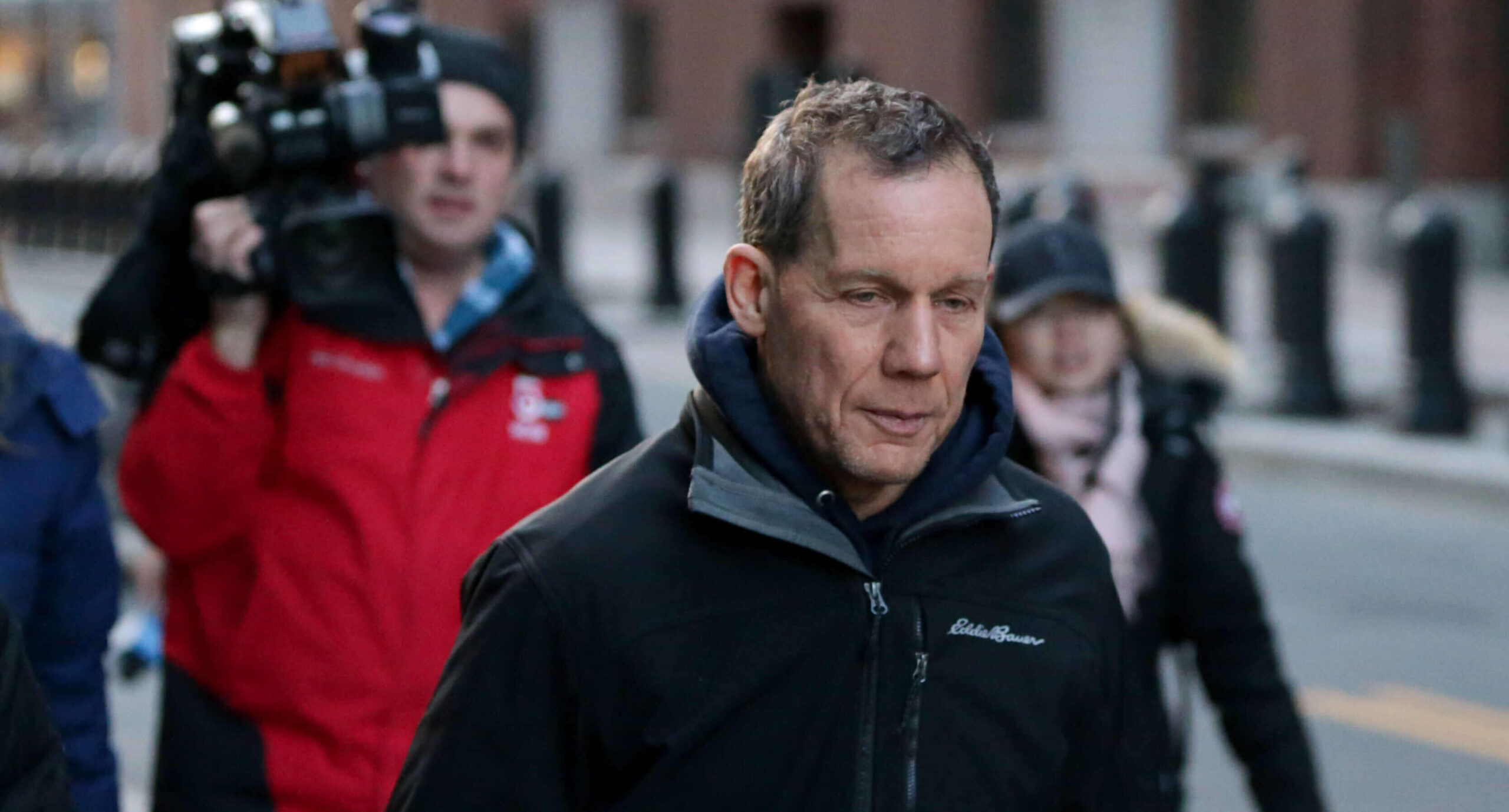
White Coat Waste was also the first to report on the detainment of RML senior scientist Vincent Munster at Detroit International Airport in January, after he was caught trying to smuggle “dozens of vials in his baggage” on a trip back from Africa.
Munster, a foreign-born virologist, “has a history of studying and experimenting with coronaviruses, monkeypox, Ebola, and other potentially dangerous pathogens,” Sheehy wrote in his letter.
Read more Department of Justice Charges American Journalist in Anti-CCP Sting
According to the whistleblower complaint, in January 2026, Dr. Munster and an associate traveled to Africa to perform research activities.
“Upon their return to the United States on January 25, 2026, Munster was detained at the Detroit International Airport after allegedly transporting vials with unknown contents in his personal luggage,” Sheehy wrote. “It has since been confirmed that Dr. Munster was indeed detained at the airport and there is an ongoing investigation by the Federal Bureau of Investigation (FBI).”
The whistleblower then alleges that on January 26, 2026, RML permitted Dr. Munster and his associates to “come and go as they pleased into the facility, into the high containment BSL-4 building, and into their offices.”
Despite being detained the day before, the whistleblower alleges this occurred “completely unsupervised and unrestricted.” According to the whistleblower, on January 27, 2026, RML then restricted access to the three individuals, though a “personal representative” was allowed to get their belongings. Another concern, if true, is the claim that one of Munster’s associates has since had full facility access restored.
The whistleblower told White Coat Waste that Munster “got caught trying to sneak VHF [viral hemorrhagic fever] samples into the United States from Africa” and that NIH officials “did not inform the RML campus and went into full coverup mode.”
In response to the group’s concerning report, HHS Secretary Robert F. Kennedy, Jr. confirmed that his agency referred Munster to the FBI and stated, “I assume he is going to prison.”
“These events raise serious questions about the safety and security procedures at RML, including NIH’s hiring and personnel management practices for scientists handling dangerous pathogens,” Sheehy said in his letter. “It is critical that scientists, especially those with foreign connections, are thoroughly vetted given the potentially catastrophic impacts of their work on our nation’s health and security.”
Sheehy requested that the IG review the November 2025 and February 2026 incidents at RML, “the purpose of the research, the pathogens being used, and the biosafety and biosecurity procedures followed by the lab.”
The senator also asked for a review of RML’s personnel management practices, and “any recommendations to ensure that employees placed in a position of public trust are appropriately vetted and monitored.”
“We don’t want Montana to be the next Wuhan,” Sheehy posted on X, Tuesday. “Montanans and Americans deserve answers over concerning reports out of Rocky Mountain Laboratories.”
Read more Biden DHS Released Nearly 90 Percent of Border Migrants Through Parole Program