









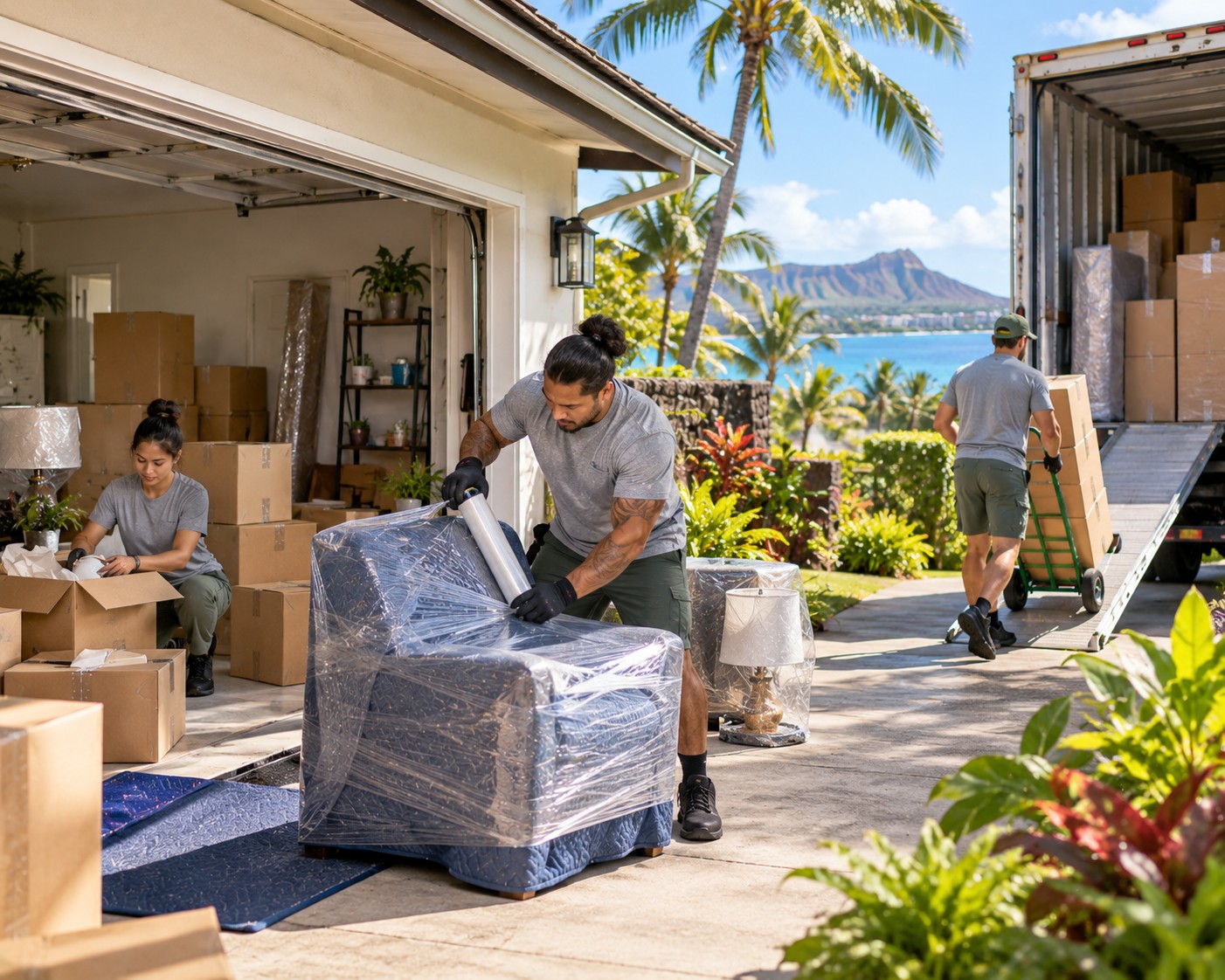
A household relocation is rarely one single task. Packing, carrying furniture, loading vehicles, arranging transportation, and delivering belongings are connected stages that need to happen in the right order. When those stages are poorly coordinated, even a well-packed home can encounter delays once moving day arrives.
A professional Hawaii Moving Company approaches residential relocation as one continuous workflow. Instead of treating packing and transportation as unrelated services, movers can coordinate each stage around the household’s inventory, property access, schedule, and final destination.
Building the Moving Plan Before Packing Begins
Good coordination starts with information. Before boxes are sealed, the moving team needs to understand what is being transported and how the property can be accessed.
The household inventory can include furniture, appliances, fragile objects, electronics, clothing, outdoor equipment, and specialty items. The size and characteristics of these belongings influence how much packing material is required and how the shipment will be arranged.
Homeowners can also identify possessions that should remain with them rather than entering the main shipment.
Reviewing the Property
The moving crew may consider driveways, staircases, elevators, narrow hallways, gates, parking conditions, and other access points. Knowing these details beforehand helps determine how furniture and packed boxes will travel from individual rooms to the vehicle.
Organizing the Packing Stage
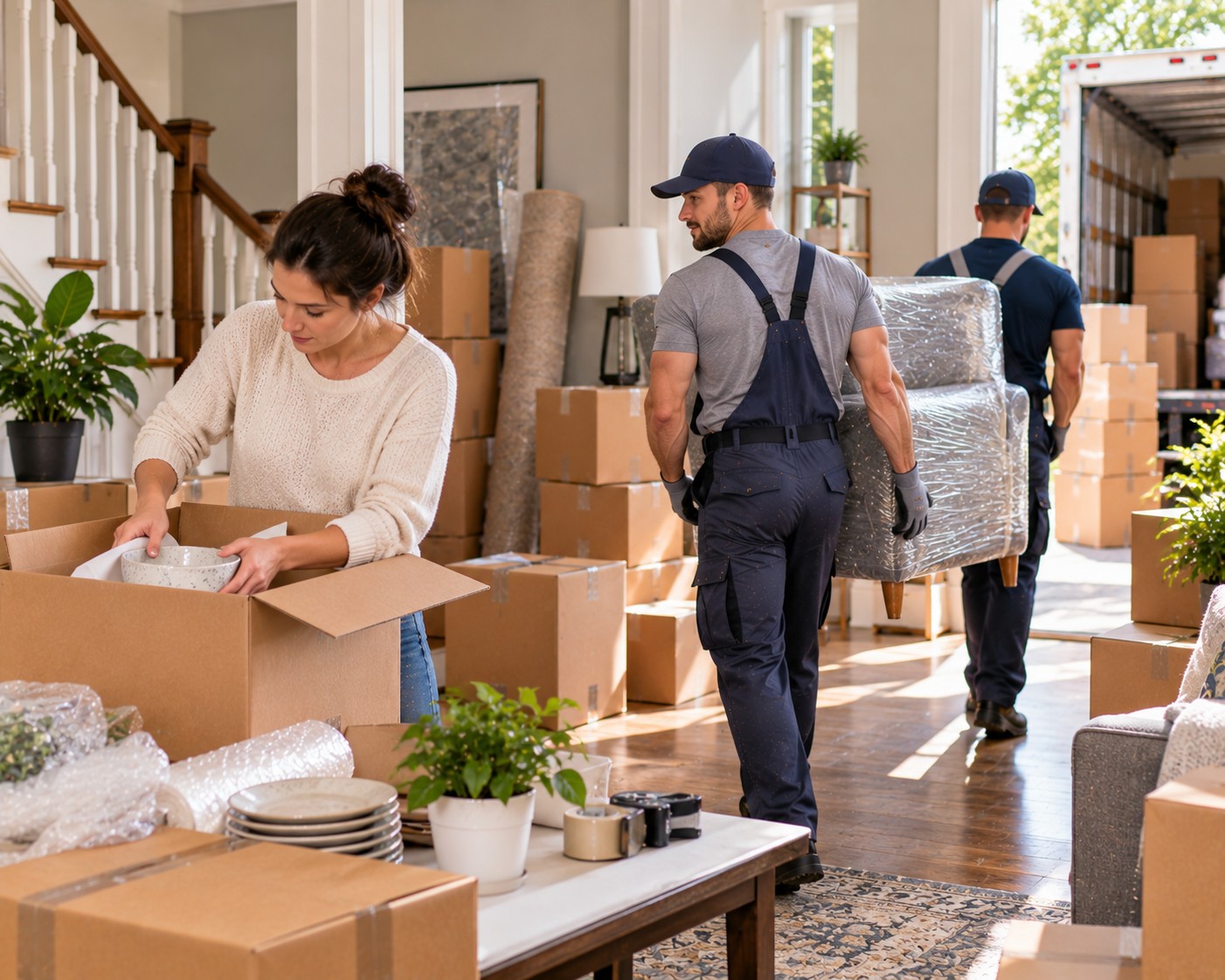
Packing is more effective when it follows a deliberate system rather than simply filling boxes as quickly as possible. Items can be grouped by room and type, while fragile belongings receive additional protection.
For customers arranging https://hawaiimovingservices.com/residential-moving/, professional residential moving support can connect the packing stage with the later loading and transportation requirements.
Protecting Different Types of Belongings
Not every possession needs identical packaging. Glassware may require dividers and cushioning, artwork can need specialized protection, and furniture may be wrapped to protect finished surfaces.
Heavy items should be distributed appropriately inside cartons, while boxes should be labeled clearly enough for the unloading crew to understand where they belong.
Turning Packed Rooms Into a Loadable Shipment
Once packing is complete, the focus shifts from individual rooms to the entire shipment. Movers need to determine how furniture, cartons, and specialty items can be positioned for transportation.
Large pieces may be disassembled when necessary. Legs, shelves, doors, and removable components can be protected separately, with hardware kept in labeled bags.
A Hawaii Moving Company can also organize the loading sequence so that fragile belongings are protected from heavier objects and frequently needed items remain accessible when appropriate.
Loading Is More Than Carrying Boxes
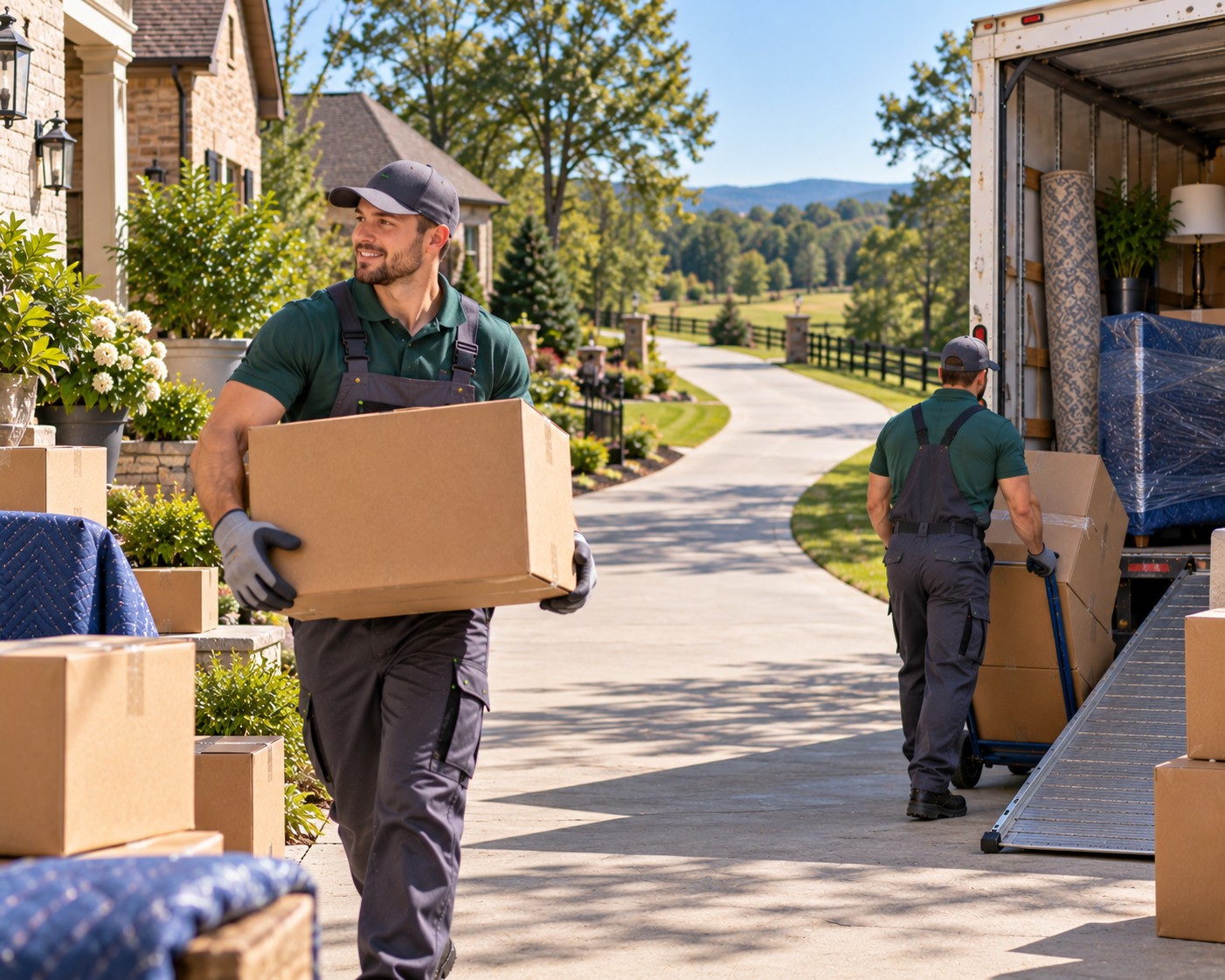
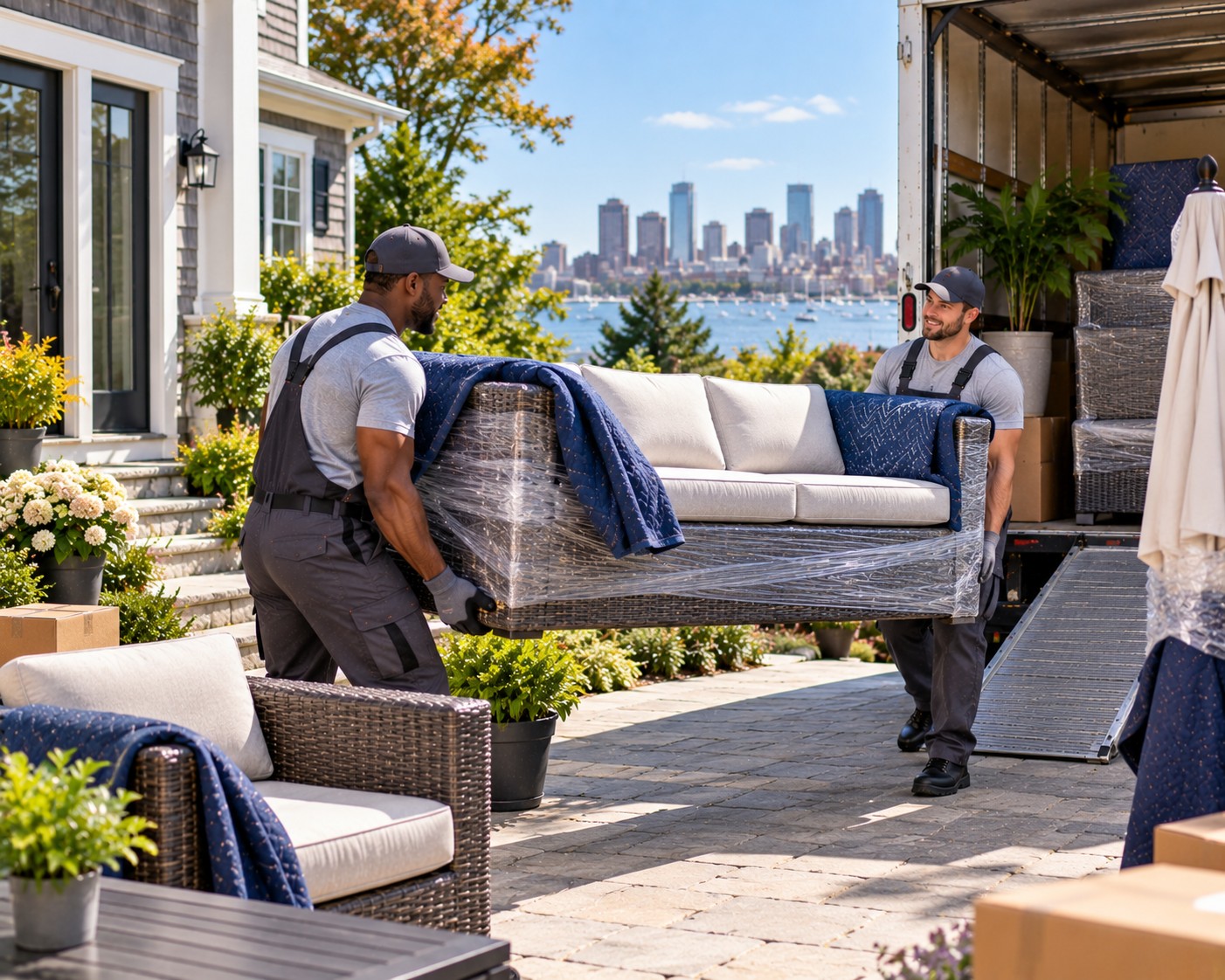
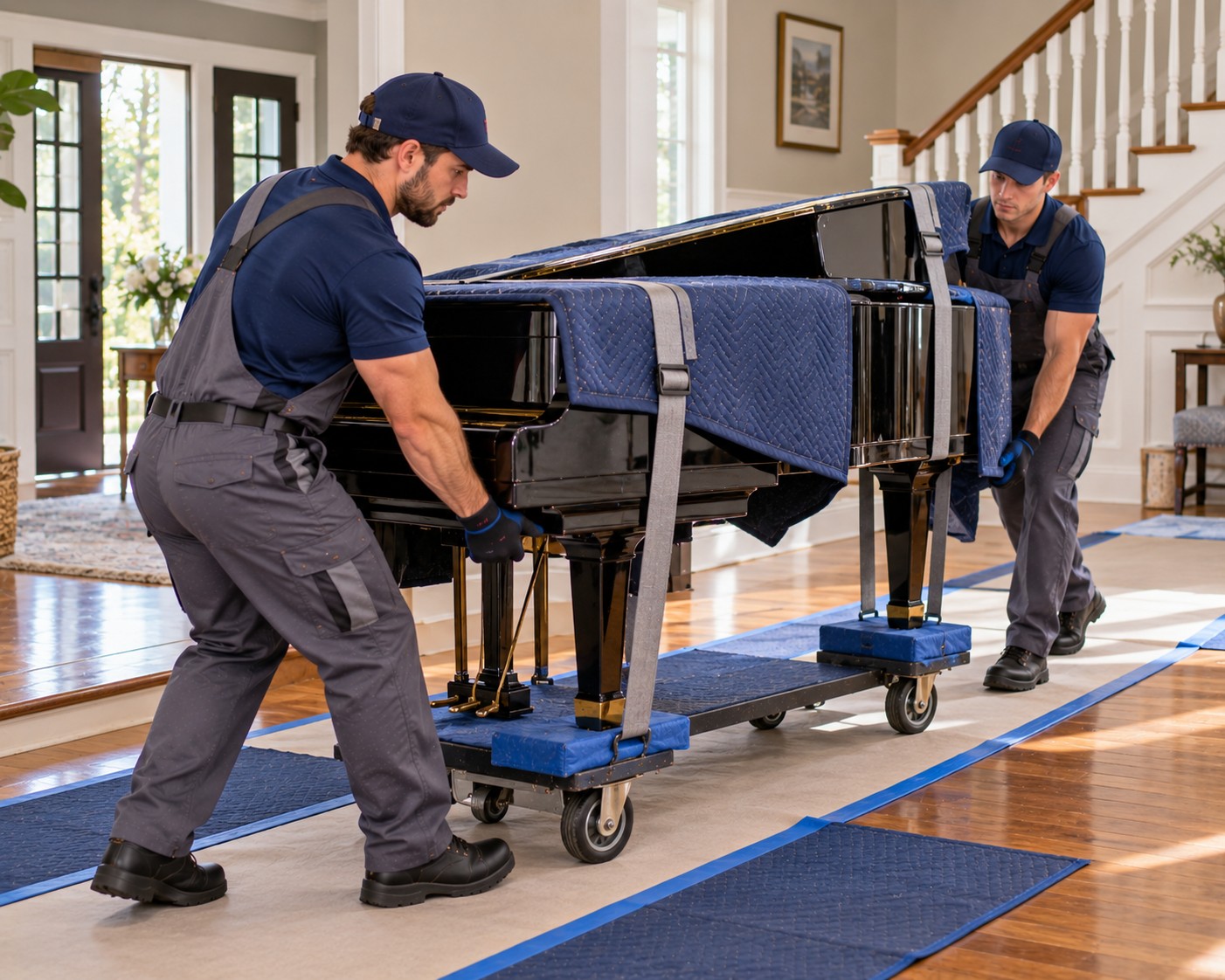
The path between the front door and the moving vehicle matters. Floors, walls, door frames, and furniture surfaces may need protection during the process.
Movers can stage items in a controlled manner before loading them. Heavy furniture may be placed strategically, while cartons are positioned according to weight, fragility, and destination room.
This organized approach helps reduce unnecessary movement and creates a more stable shipment.
Coordinating Transportation After Pickup
The logistics do not stop once the truck leaves the property. Depending on the relocation, household goods may pass through additional transportation stages before reaching their destination.
The moving team must maintain accurate inventory information and delivery details throughout the process. Changes to the address, timing, or access arrangements should be communicated as early as possible.
Transportation planning also considers the final property. An apartment building may require an elevator reservation, while a gated community could have delivery restrictions or limited parking.
Preparing for the Destination
Before the shipment arrives, homeowners should clear pathways and decide where large furniture should be placed. If movers know the intended room for each major item, unloading can proceed more efficiently.
Boxes can then be directed toward their appropriate areas rather than accumulating randomly in the entryway.
Keeping Every Stage Connected
The strongest residential moving plans connect packing decisions with loading requirements and transportation logistics from the beginning. A box is not simply a box; its contents, weight, destination, and position within the shipment can all affect how it should be handled.
By coordinating these details from the initial inventory through final delivery, professional movers create a smoother transition between each stage. Families gain a clearer understanding of what happens next, while the moving crew has the information needed to handle household belongings systematically.
The result is a relocation built around preparation rather than improvisation: belongings are packed according to their needs, loaded with purpose, transported through the appropriate channels, and delivered ready for the next chapter of life.
One thought on “From First Box to Final Delivery: Coordinating Every Stage of a Hawaii Household Move”