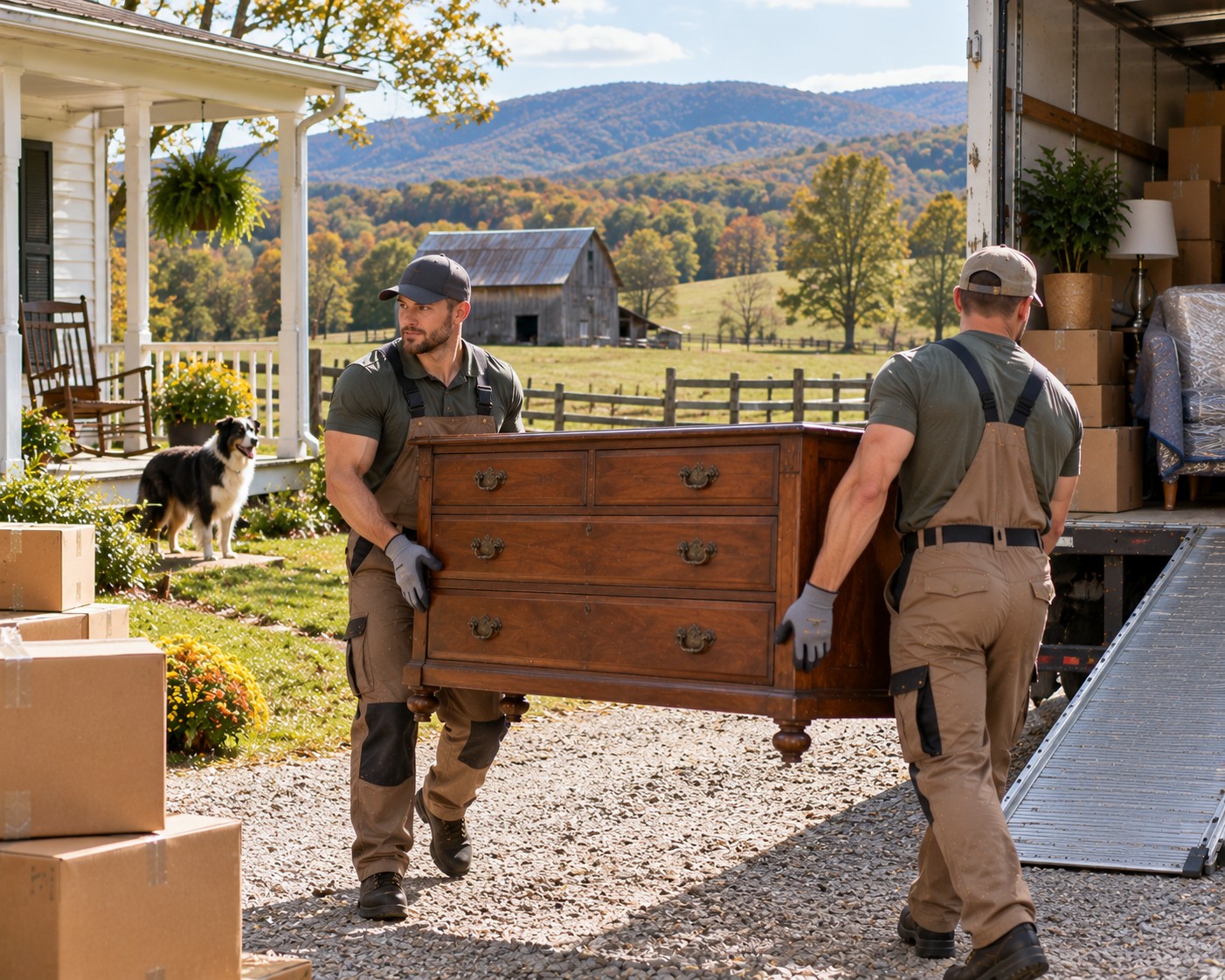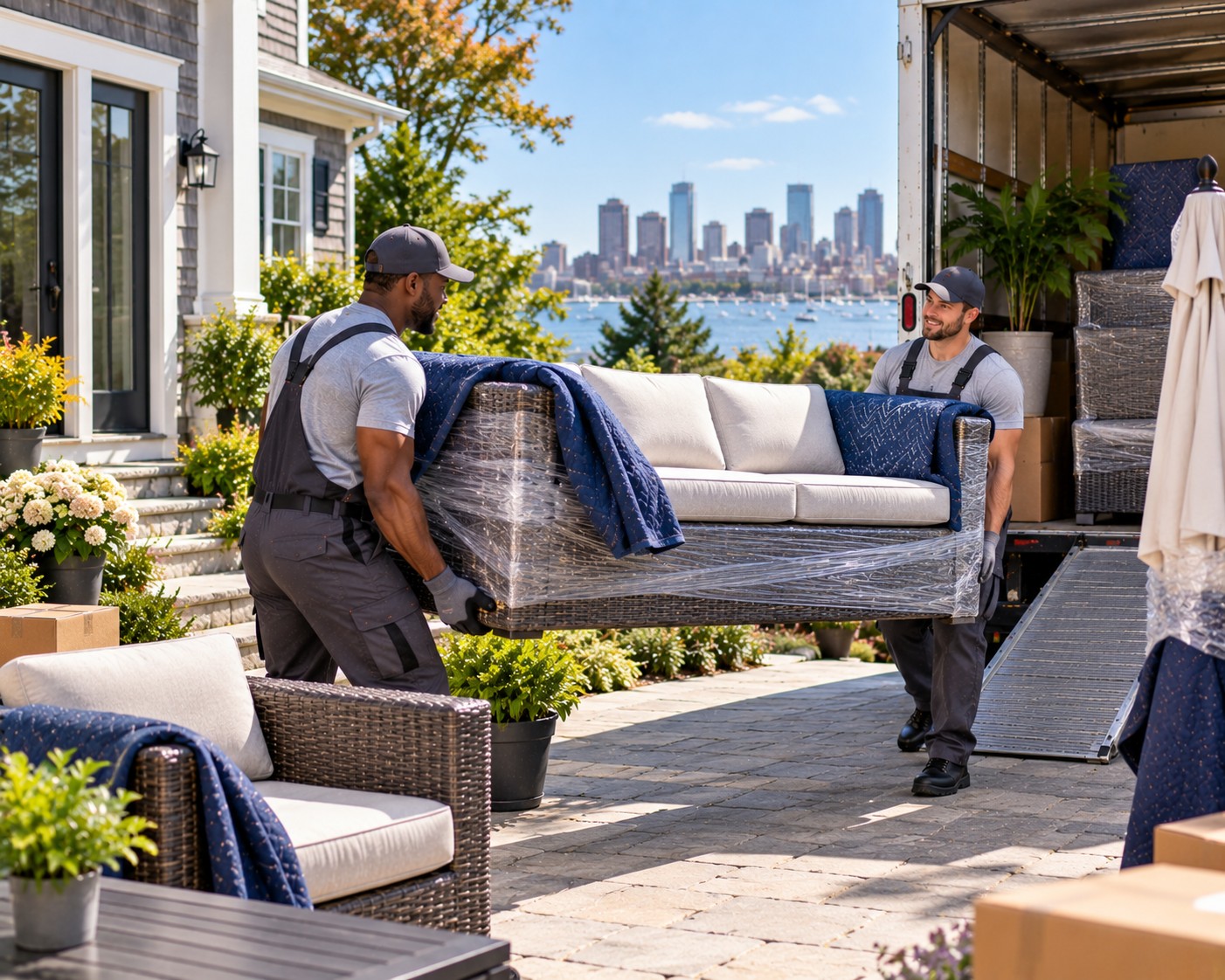










A long driveway can be an attractive feature of a Greenville property, offering privacy, extra parking, and a generous approach to the house. On moving day, however, that same distance can affect everything from truck positioning to the amount of time required to carry furniture and boxes.
Instead of treating the driveway as simply the route to the front door, homeowners should include it in the overall relocation plan. Careful preparation can reduce unnecessary walking, protect belongings, and help a moving crew work efficiently from the first load to the final box.
Assess the Driveway Before the Truck Arrives
Start by walking the entire driveway from the road to the house. Look for changes in elevation, sharp curves, narrow sections, low branches, retaining walls, landscaping, and areas where vehicles may have difficulty turning around.
The driveway’s surface also matters. Asphalt, concrete, gravel, and unpaved sections can affect how a loaded truck approaches the property. Gravel may require particular attention because loose stones can create unstable footing or become caught beneath moving equipment.
Photographing complicated sections can be useful when discussing the property with professional movers before moving day.
Check the Truck Clearance
Do not assume that a large moving truck can simply drive directly to the garage or front entrance. Measure narrow points and check overhead clearance along the entire route.
Look for:
- Low tree branches
- Utility lines
- Narrow gates
- Sharp turns
- Steep grades
- Retaining walls
- Overhead structures
If the truck cannot reach the house, determine where it can safely park and how far belongings will need to travel.
Plan for the Extra Carrying Distance
When a truck must remain near the road, the distance between the vehicle and the front door becomes a significant part of the move. Heavy furniture can become particularly demanding when it has to be carried a long way.
Create a clear pedestrian route before the crew arrives. Remove garden tools, children’s toys, decorative objects, hoses, and other obstacles. Trim or move low vegetation that could interfere with furniture.
Movers in Greensboro frequently work with properties where access conditions vary, and the same preparation principle applies to Greenville homes: the route from the truck to the entrance deserves as much attention as the interior hallway.
Protect the Driveway and Property
Heavy moving equipment can place considerable pressure on certain surfaces. If the driveway has recently been installed, repaired, or resurfaced, homeowners should ask the contractor whether there are any restrictions on heavy vehicles.
Protect vulnerable areas where necessary, but make sure coverings do not create slippery walking conditions. Keep drainage channels, steps, and uneven transitions visible.
The landscaping around a long driveway should also be considered. Large furniture may need to pass near shrubs, flower beds, decorative stones, or retaining walls. Clearing a wider route can prevent accidental damage to both the property and the furniture.
Make Furniture Easier to Transport
Long outdoor routes make heavy furniture even more challenging. Before moving day, identify pieces that can be safely disassembled.
Remove table legs, bed frames, shelves, or other detachable components when appropriate. Place hardware in clearly labeled bags and keep each set with its corresponding furniture.
Prioritize Bulky Items
Large pieces should be assessed first because they require the greatest amount of maneuvering space. Sofas, wardrobes, refrigerators, mattresses, and heavy cabinets may dictate the route for everything else.
If several large items need to leave through the same entrance, establish an order before loading begins. Smaller boxes can be staged separately without blocking the path.
Movers in Greenville can work more efficiently when bulky furniture routes and staging areas have already been identified.
Prepare for Weather Changes
A long driveway can expose belongings to outdoor conditions for longer than a short residential approach. Rain can create slippery surfaces, while strong sunlight can affect certain materials and make extended outdoor staging uncomfortable.
Keep moisture-sensitive belongings covered and avoid leaving upholstered furniture or cardboard boxes outdoors unnecessarily. If bad weather is expected, establish a sheltered staging area whenever possible.
For homes with steep or uneven driveways, wet conditions deserve particular attention. A route that seems manageable when dry may become considerably more difficult after rainfall.
Keep the Entrance Organized
The front entrance should remain clear throughout the move. Do not allow boxes to accumulate near the doorway where they can obstruct furniture or create trip hazards.
Assign one area for outgoing items and another for belongings that are staying temporarily inside. This simple separation can prevent confusion when the driveway is long and the crew is repeatedly traveling between the house and truck.
With advance measurements, a clear carrying route, suitable weather preparation, and thoughtful truck positioning, a long driveway does not have to complicate a Greenville residential move. Good planning allows Movers in Greenville to spend more time moving belongings safely and less time solving access problems on the spot.