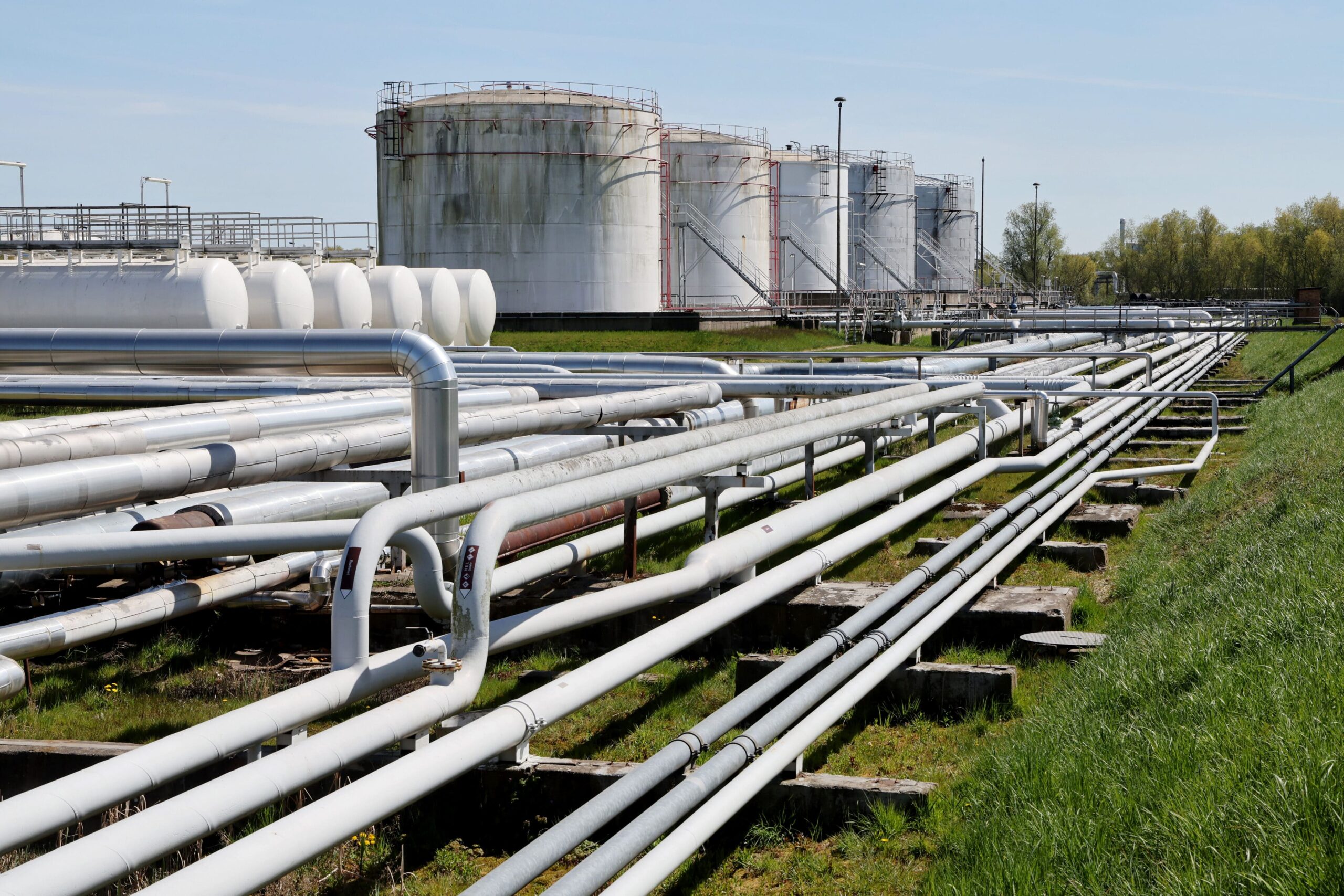







The United States has unshackled power plants from politically driven emission regulations that held them hostage for decades, eventually forcing many facilities to close. When the U.S. Environmental Protection Agency (EPA) repealed most of the Biden administration’s greenhouse gas requirements for power plants and proposed repealing the remaining standards, the agency put reliable energy ahead of climate ideology.
Read more How Jamaica Continues to Ruin Its Brand With Reparations
So far, the silence from the capitals of developing nations is deafening. National leaders across Africa, Asia, and Latin America sit mute in the face of this massive shift to rational energy policy.
For years, these leaders blamed Western pressure for their refusal to build infrastructure for the use of coal and natural gas. Now, the largest economy on Earth has abandoned destructive emission restrictions, yet the economies that most need such relief continue to bow before the global climate cartel to the detriment of their own citizens.
The history of human progress is inseparable from abundant energy. Coal-powered industrialization. Oil enabled mass transport, modern agriculture, and global trade. Natural gas brought dependable heat and electricity to households and factories. These fossil fuels increased production, reduced physical hardship, improved public health, and made once-exclusive technologies available to ordinary people.
Between 1990 and 2016, the share of humanity with electricity climbed from 71 percent to 87 percent, and South Asia more than doubled its share of people with access to electricity, from 41 percent to 86 percent, which much of the West has long taken for granted. Over a 20-year period in India, an index measuring multidimensional poverty, including monetary poverty, education, and access to basic services, fell from 55.1 percent of the population suffering such deprivation to 16 percent, while access to clean cooking fuel rose from 22 percent to 68 percent.
Disrupting this remarkable progress driven by hydrocarbons was not a natural calamity or a resource crunch but the political ideology of a fabricated climate crisis.
Governments around the globe surrendered their energy choices to a system built on United Nations climate negotiations, prerequisites for financing arrangements and foreign aid, and net zero targets. International agencies with globalist yearnings decided which power plants could be built, which fuels could be used, and which technologies received political favor.
Read more Morning Greatness: State Department Says Four Americans on Board Dubai Flight to Israel
Getting Rid of Unscientific Policy Barriers
The EPA of the current administration understands how the climate regime has undermined American energy security. It now says that the U.S. Clean Air Act cannot authorize power plant regulation based on climate change. The larger economic point needs no courtroom: When a rule makes dependable generation harder to finance, build, or operate, it raises the price of every activity that depends on electricity.
The arithmetic is simple: Emissions are a global quantity, a single nation’s power sector is a rounding error within it, and the supposed health benefits of shuttering that sector are too remote and too speculative to justify the certain, measurable damage of expensive electricity.
That reasoning now resides in an American federal rulemaking. It has been the central point of climate realists for years, and although dismissed by alarmists as denial, it has arrived at the policy table.
This is why the phrase “energy transition” sounds detached from reality in the developing world. A transition from what to what? A villager who burns wood is not transitioning away from a modern grid. A factory owner facing daily blackouts is not choosing between two equally dependable technologies. A hospital running on diesel during outages is not making a lifestyle statement. These people need more power, delivered at a price they can pay, from every source capable of producing it.
The American energy reset is an exit from climate imperialism and an entrée to greater freedom to pursue prosperity. After appeasing ministers of international climate commitments for years, leaders of developing countries who do not seize this opportunity betray their people and invite political backlash.
Read more Fifth Columns in America, Part Two