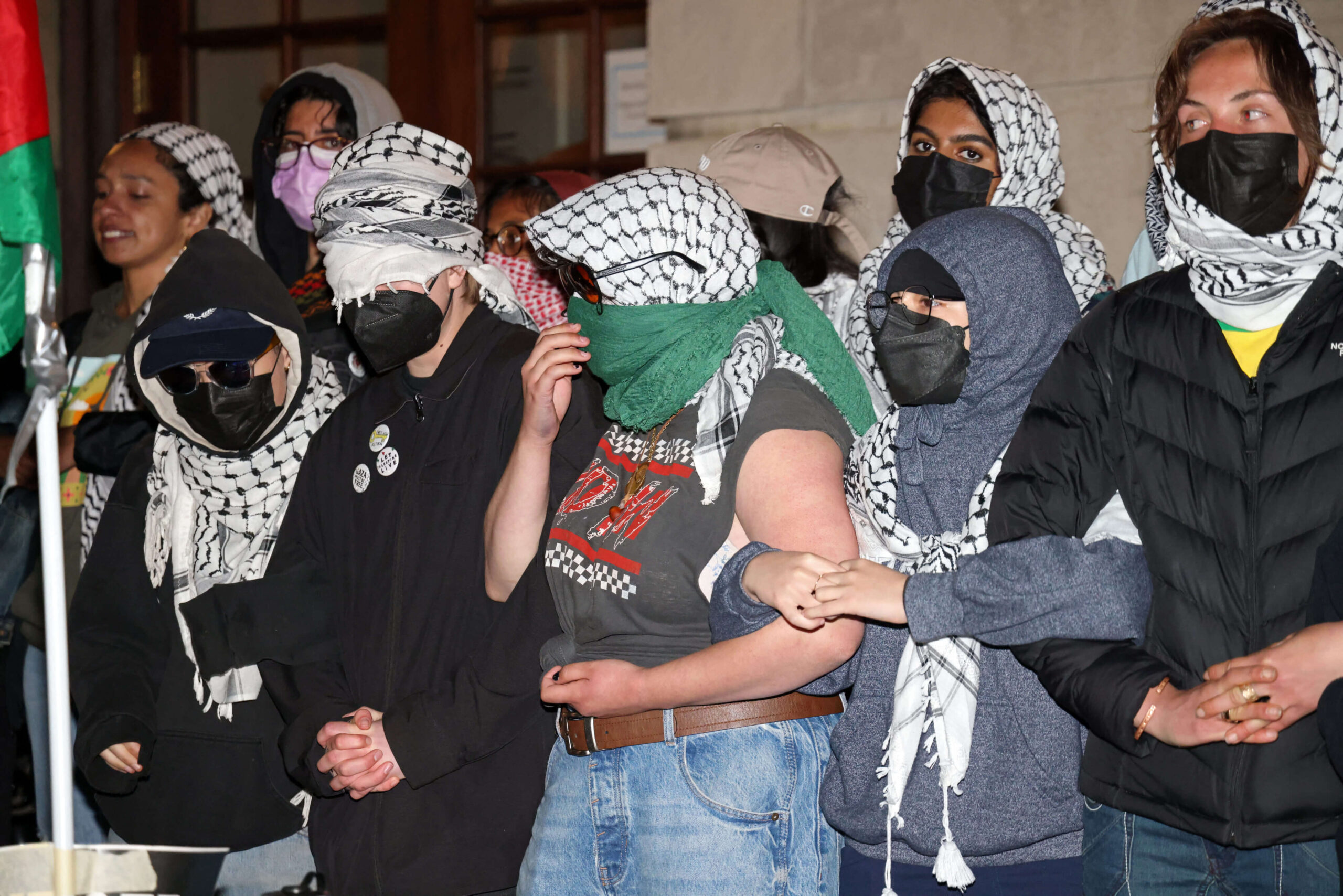






There is a strange phenomenon in American politics today: the radical left and radical Islamists repeatedly find themselves on the same side of political battles.
Read more Speaker Mike Johnson Raises Record $156 Million as Republicans Fight to Keep House Majority
Ideologically, they should have almost nothing in common. The radical American left champions gender equality, LGBTQ rights, abortion rights, secularism, and challenges to traditional family structures and religious authority. Radical Islamism envisions a social order almost precisely the opposite. Just imagine gay men living under Hamas rule or a Pride parade in Tehran.
If political alliances were based primarily on shared values, these two movements should be enemies, not allies.
History tells us otherwise.
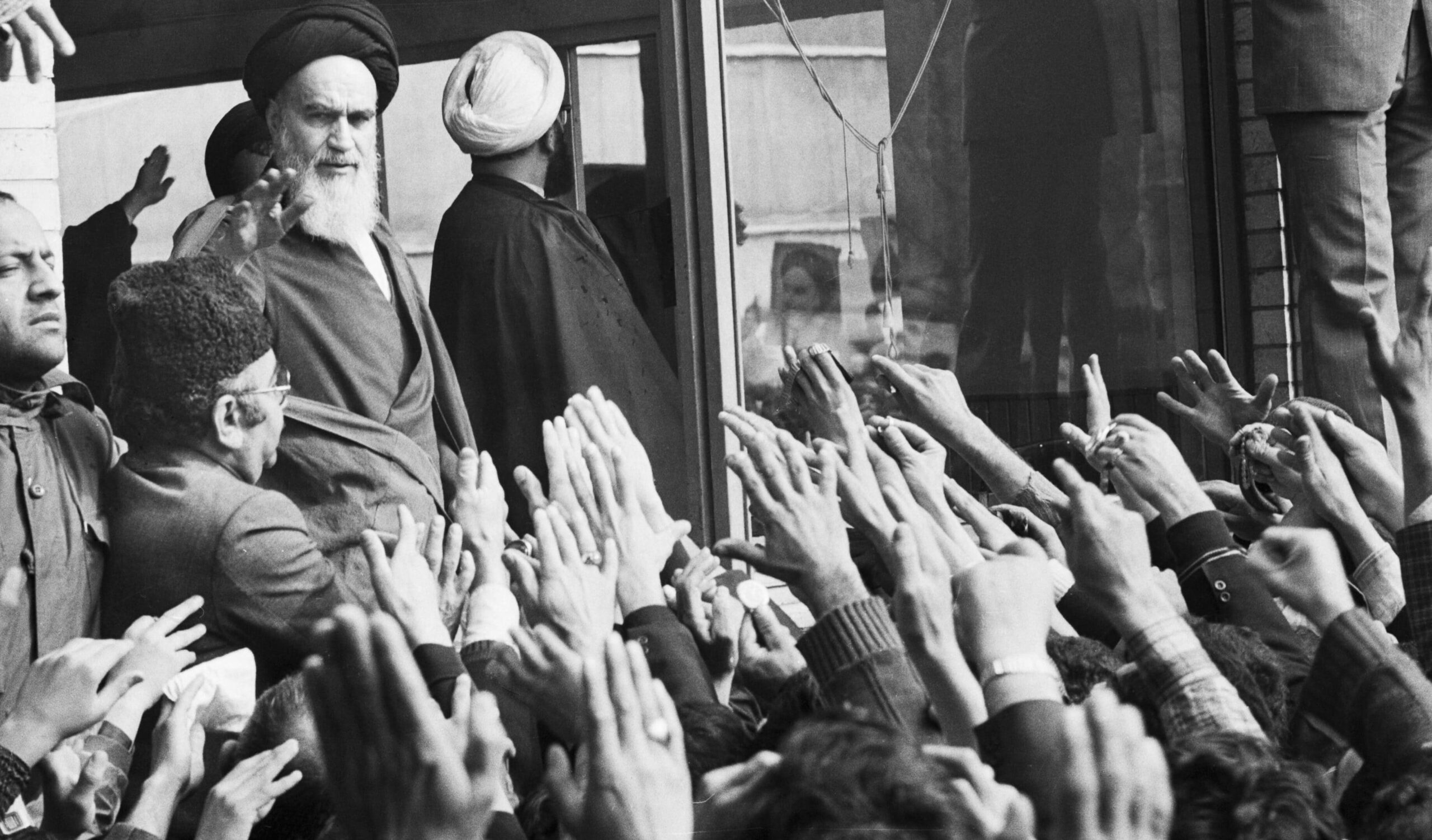
Iran in 1978 offers perhaps the clearest example. Shah Mohammad Reza Pahlavi saw an extraordinary coalition forming against his government. He described it as an alliance of “black reaction and red terror”—black representing the Shia clerical forces, red the communists and revolutionary left.
The CIA dismissed the possibility.
Then came 1979. The Shah fell, Ayatollah Khomeini returned to Tehran, and the Islamic Revolution seized power. Iran’s communist Tudeh Party embraced the revolution and supported Khomeini.
What happened next matters even more.
Once secure in power, Khomeini turned against his former allies. In 1983, the regime launched a sweeping crackdown on the Tudeh Party. Its leaders were arrested; members and sympathizers were imprisoned, executed, or driven into exile. A party that had helped welcome the revolution was ultimately destroyed by it.
Why, then, do extremist movements with fundamentally incompatible visions of society form alliances in the first place?
The obvious answer is that they share enemies: modern liberal democracy and, more specifically, America, Israel, and capitalism. But politics is full of temporary alliances among people who oppose the same government, candidate, or policy. That alone does not explain the recurring attraction between movements whose visions of the future are so profoundly incompatible.
The deeper affinity lies in political method.
Both can display absolute intolerance toward ideas deemed hostile, ruthlessness toward people defined as enemies, and a willingness to use virtually any means to defeat them. Their vocabularies differ, but their political instincts can be remarkably similar. That helped bind yesterday’s red-black alliance, and it helps explain today’s red-green one.
Yet such alliances contain the seeds of their own destruction. Once the common enemy has been defeated, the allies must confront the question they had postponed: Who rules now?
Iran answered that question.
The left believed Khomeini and the clerics were merely one component of a broad revolutionary coalition and that, after the Shah’s fall, competing factions could continue struggling over the revolution’s direction. Khomeini’s followers, meanwhile, could use the left’s organizational networks, intellectual influence, and street power.
Each side thought it was using the other.
Then the common enemy disappeared. What remained was a power struggle, won by the faction that was more ruthless, better organized, and less constrained by liberal rules.
Read more Trump Honors Elon Musk, Tech Leaders With National Medals for Scientific Innovation
That is the recurring logic of revolutionary coalitions. Fundamental contradictions can be postponed while a common enemy remains. Once that enemy disappears, yesterday’s allies begin reaching for their knives.
Which is why a recently recirculated video of American left-wing streamer Hasan Piker deserves attention. Piker talks about bringing a Chinese-style Cultural Revolution into the Democratic Party, subjecting establishment Democrats such as Senate Minority Leader Chuck Schumer to “struggle sessions,” and even putting political opponents in prison.
It sounds almost like a political prophecy.
The temptation facing today’s Democratic establishment is obvious. Its leadership is aging, its institutions increasingly bureaucratic, and its political language often exhausted. Young radicals, by contrast, bring passion, anger, and formidable organizing power on campuses, social media, and the streets.
The establishment wants that energy, especially during elections. It wants the activists without the revolution, the mobilization without the ideology, the passion without the purge.
There is a comforting phrase for this arrangement: the Democratic Party is a “Big Tent.” Everyone has a place.
But a big tent can survive only if everyone accepts one fundamental principle: I may believe you are wrong, but I recognize your right to exist, speak, organize, and remain in politics.
Once a faction rejects that principle, the Big Tent ceases to be a principle and becomes merely a temporary arrangement. If dissenters deserve struggle sessions, political opponents belong in prison, and “counterrevolutionaries” must be purged, tolerance can operate in only one direction: moderates tolerate radicals until radicals acquire enough power that they no longer need to tolerate moderates.
Iranian liberals once believed that liberals, leftists, and religious revolutionaries could temporarily share the same anti-Shah tent.
They won.
Then the real struggle began.
That is the brutal lesson of revolutionary alliances. Moderates often believe they can borrow the extremists’ passion and organizational power without accepting their ultimate objectives. When two extremist movements ally, each assumes the contradictions between them can be settled later.
A common enemy brings them together. Victory eliminates that enemy—and therefore eliminates the reason for the alliance itself.
Only then do yesterday’s comrades discover that they were never truly comrades at all.
Read more Trump Administration Proposes $70,000 Work Permit Fee for Foreign Students to Protect American Jobs
They were merely waiting for their turn to become each other’s enemies.
Time takes care of the rest.