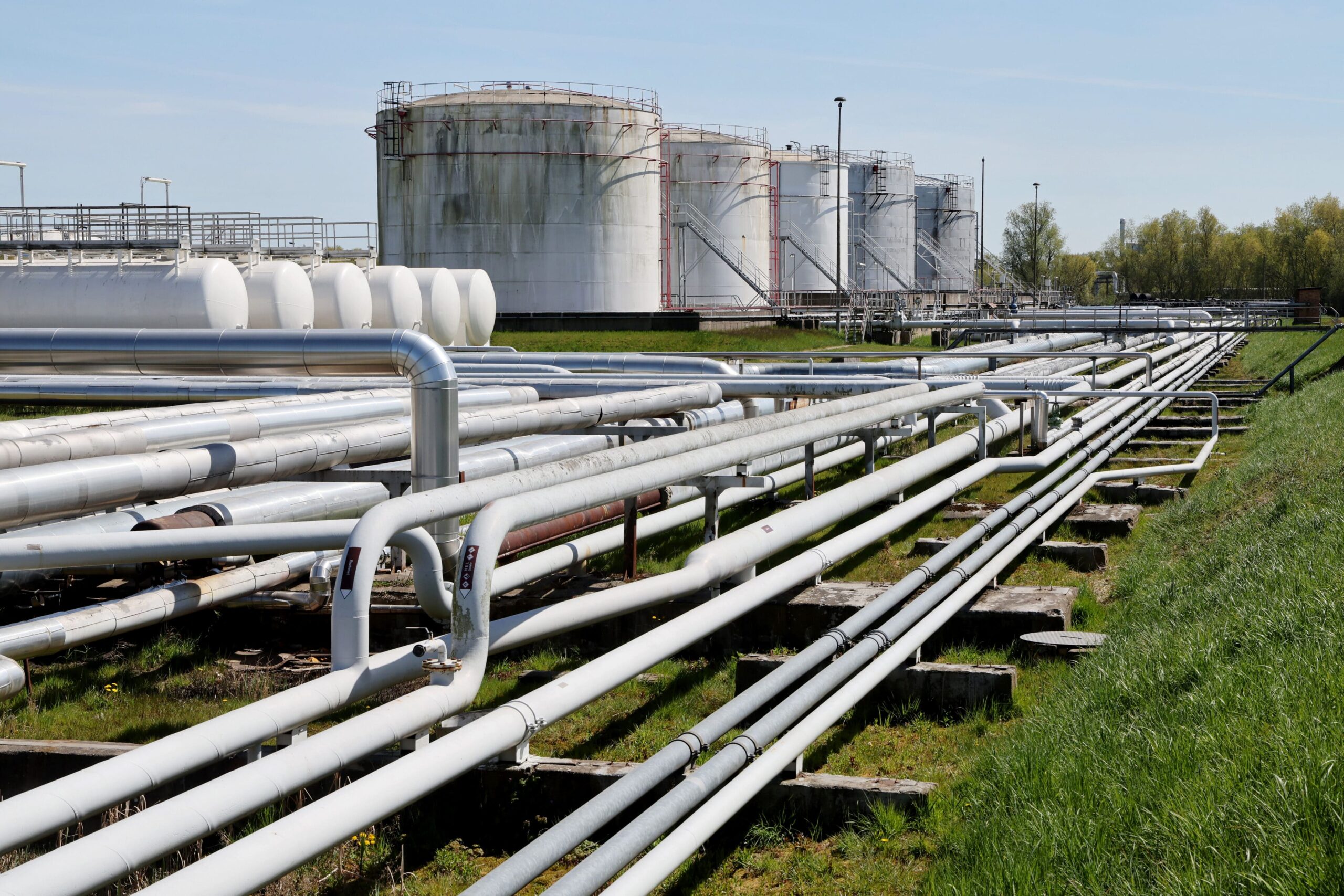






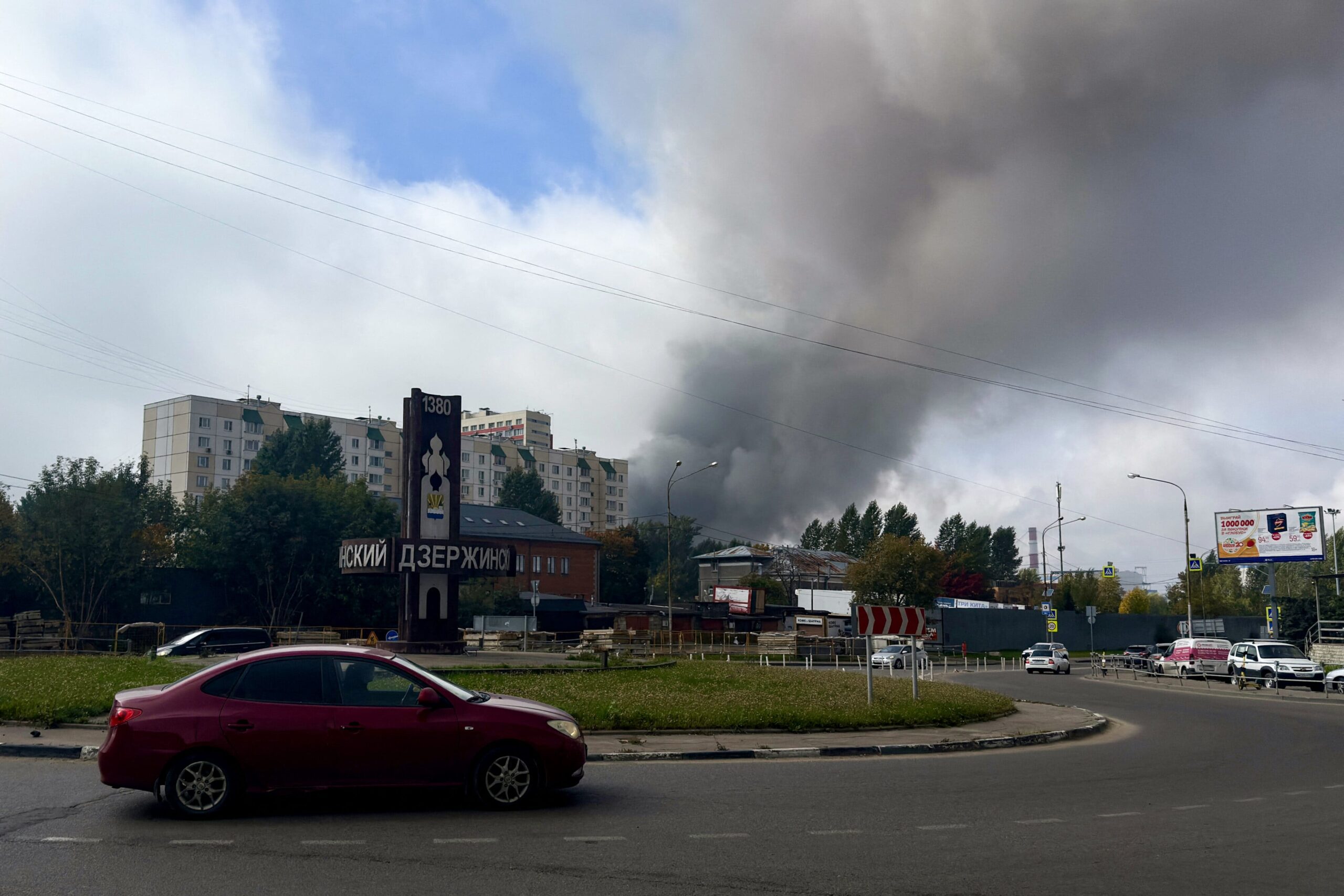
On October 9 in the afternoon, President Donald Trump said on Truth Social that he had struck a deal with Russian President Vladimir Putin, arranging deliveries of diesel fuel to the United States and world markets.
Read more A People Apart
Trump said that Russia would immediately supply more than 300,000 tons of diesel, followed by an additional 500,000 tons in November and 1 million tons “immediately thereafter.” Russia will deliver an additional 3 million tons “within a short period of time after that,” Trump said.
The deal was agreed upon during a 90-minute phone call between the two leaders. The announcement triggered outrage in Kiev, with Zelensky condemning the U.S. and Trump personally. Zelensky said it was “definitely unfair,” “definitely not partner-like,” and “a weak decision by strong partners,” effectively portraying it as a stab in the back.
The Trump administration had been openly asking Kiev and Zelensky not to launch attacks against Russian refineries, but Kiev rejected the American requests.
.@POTUS on Ukraine: “You know what I suggest? I suggest they get a new leader who could make a deal because he could’ve made many deals and for some reason he never does… I think it’s time for Ukraine to get a new President.” https://t.co/WoVG0HUazA
— Rapid Response 47 (@RapidResponse47) October 10, 2026
In the United States, the retail diesel price climbed to $6.32 per gallon in early October 2026, representing a massive 71.7 percent increase from approximately $3.68 per gallon at the same time in 2025. High diesel prices impact truckers and farmers. Heavy farm machinery—such as tractors, harvesters, and irrigation pumps—runs almost exclusively on diesel. Farmers face higher operating expenses during planting and harvesting seasons, which will translate into higher food prices for American consumers.
Read more The Splendor of Rural America
There are multiple reasons for the rise in diesel prices, including restrictions on supply from the Persian Gulf area, refinery problems, and damage to Russia’s refineries from Ukrainian attacks. While the US and Europe were not buying Russian diesel, other countries, including India and China, were.
As of October 2026, Ukrainian deep-strike operations have targeted 28 major Russian oil refineries, with many subjected to repeated attacks. The overall number of drone and missile strikes against Russian oil infrastructure—including refineries, oil terminals, pumping stations, and processing plants—has surpassed 300 attacks since the full-scale invasion began, with the vast majority occurring throughout 2024, 2025, and 2026. During 2026 alone, strikes escalated dramatically, averaging roughly one attack on a Russian refining facility every three days. In response, the Russians halted or restricted the export of diesel. Ukraine’s Defense Ministry claims these long-range strikes have successfully disabled or degraded over 51% of Russia’s total oil refining capacity, creating severe operational bottlenecks and contributing significantly to global fuel and distillate supply strains.
It is likely Ukraine will continue attacking Russian refineries, depots, and oil transit facilities. What are the possible consequences?
While President Trump and President Putin were cutting deals, Steve Witkoff and Jared Kushner were meeting in Florida with a Ukrainian negotiating team, European representatives, and others, including U.S. Treasury Secretary Scott Bessent. According to news reports, the Florida meeting was working on new proposals, including a partial ceasefire, halting strikes on energy infrastructure and protecting commercial shipping, along with US support for new air defenses (such as Patriot and NASAMS) for Ukraine. It is not known if the talks with the Ukrainians and Europeans will continue after the Trump-Putin announcement. It would seem that the framework of those talks would not achieve any particular result with Russia.