






A few weeks ago, the mainstream media was in full panic mode, warning that President Trump was planning to invade Cuba. These claims were overheated and completely off base. President Trump has unveiled a far grander and more sophisticated strategy—one that combines relentless economic pressure with targeted humanitarian assistance and a direct appeal to the Cuban people. It is a high-stakes gamble by Trump and Secretary of State Marco Rubio, but one well worth taking.
Read more Democrats, GOP Defectors Block Women’s History Museum Bill after ‘Biological Women’ Language Added
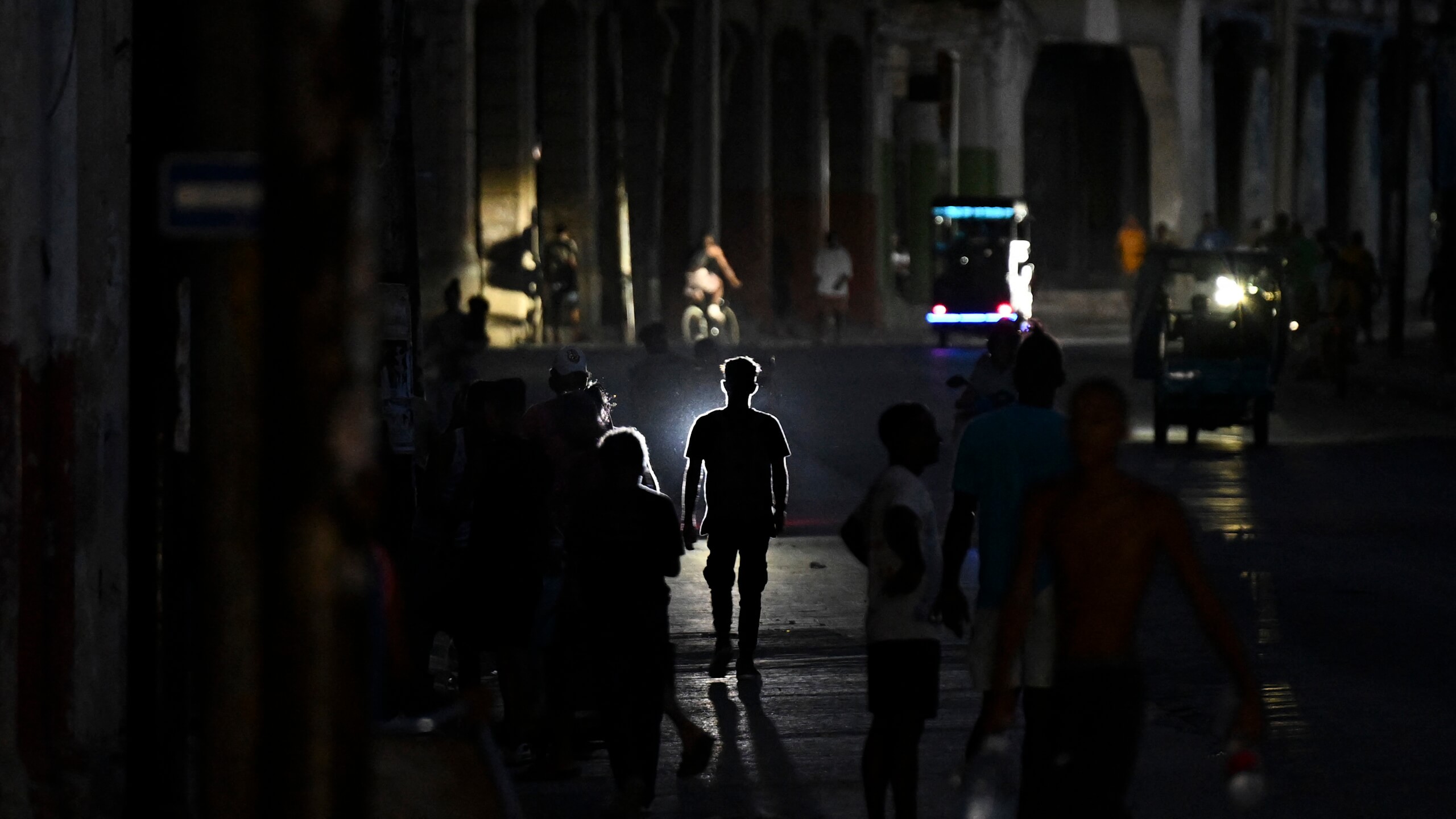
The first pillar is maximum economic pressure. The administration has strangled the island’s economy and starved it of energy. After the U.S. helped topple Venezuela’s Nicolás Maduro, the subsidized oil lifeline that kept Cuba’s lights on was severed. Trump’s January executive order declared a national emergency and imposed tariffs on any country shipping oil to Cuba. The results have been dramatic and painful: nationwide blackouts lasting up to 22 hours a day, collapsing hospitals, shuttered businesses, and economic collapse.
This outcome was the logical result of decades of Cuban mismanagement, finally encountering an American president who refuses to subsidize it. The regime’s military conglomerate, GAESA—founded by Raúl Castro and controlling the lion’s share of the economy—has hoarded billions while ordinary Cubans suffer. Trump’s Cuba policy stops America from papering over this corruption.
The second pillar is moral clarity. On May 20, the Justice Department unsealed an indictment charging Raúl Castro and several regime officials with murder and conspiracy for the 1996 shoot down of two Brothers to the Rescue humanitarian planes over international waters, killing four, including three Americans. The timing of this indictment—Cuban Independence Day—was no accident. It was a blunt reminder to the world—and to the Cuban people—that this is a violent rogue state run by the same thugs who have ruled it for 65 years. It also makes clear that the Cuban regime has no legitimacy.
The third pillar is the carrot after the stick. The administration has offered $100 million in direct humanitarian assistance—food, medicine, and other essentials—but only if the Cuban government allows it to be distributed through trusted, independent intermediaries such as the Catholic Church and reputable NGOs, not through the corrupt regime or its entities. This is smart diplomacy that is designed to bypass the Cuban government crooks who have stolen from their citizens for generations and hopefully puts aid directly into the hands of the Cuban people. It also forces Havana into an uncomfortable choice: accept assistance on US terms or watch its citizens continue to suffer while the regime’s leaders fly their families to live in luxury abroad in places like Madrid.
Finally, Secretary Rubio, in a powerful Spanish-language video message released on Independence Day, spoke directly to the Cuban people. He laid out the truth: the hardships they are enduring are not caused by an American “blockade” but by a corrupt system that prioritizes regime insiders over the population. He offered a new relationship with the United States—one that could ease their burdens and let Cubans thrive at home rather than risk their lives fleeing in rafts or illegally crossing borders.
Read more Singham Network Mobilizes to Defend Raúl Castro after DOJ Indictment
None of this guarantees success. The Cuban regime has survived worse crises through brutal repression and the loyalty of its security forces. China and Russia may try to prop up their outpost in the Western Hemisphere, although neither did much to support their other proxies, Venezuela and Iran, when targeted by Trump’s aggressive policies. The increased humanitarian suffering in Cuba could also generate international backlash.
But the alternative—continuing the failed policy of engagement that enriched the Cuban regime while trapping ordinary Cubans—is far worse. Trump and Rubio are betting that sustained, targeted pressure against a criminal communist government, paired with a credible off-ramp and direct outreach to the Cuban people, can finally break a system that has failed its citizens for more than six decades.
Trump is not planning to invade Cuba. This is not naïve appeasement. It is a strategic, humane policy that is long overdue. For the sake of the Cuban people and American interests in the Western Hemisphere, this gamble deserves a chance to succeed.
* * *
Fred Fleitz previously served as Chief of Staff of the Trump National Security Council. He is vice chair of the America First Policy Institute. He is the author of North Korea, Nuclear Brinkmanship, and the Oval Office, which was just released by Texas A&M Press.
Read more Trump Says US Will Deploy 5,000 More Troops to Poland, Reversing Planned Cuts