








When it comes to dealing with hostile, intractable states like Iran, Washington’s foreign policy establishment too often finds itself trapped in a paralyzing binary. On one side are the isolationists and appeasers who believe we must simply manage American decline and tolerate the aggression. On the other are the neoconservative remnants who believe the only solution is full-scale invasion, occupation, and nation-building.
Read more Book Review: ‘Inevitable Differences’ by John Staddon
But history offers a third option, one that policymakers used to understand: the punitive war.
A punitive war is deployed when policymakers acknowledge that no external force can actually effect decisive change, whether by decisive change we mean regime change or forcing an aggressor out of conquered territory. In a punitive war, the objective isn’t to conquer a capital and dictate a peace treaty and a constitution. The objective is to degrade the enemy’s capabilities, reduce their strategic reach, and buy time. It ends when the vastly stronger power decides it has inflicted enough damage and chooses to stop.
Critics often dismiss these campaigns as inconclusive, but inconclusive is not the same as ineffectual. When Israel fought a brutal punitive war against Hezbollah in 2006, the domestic and foreign media and the international community widely panned it as a strategic failure. Yet that supposedly “failed” campaign bought Israel 17 years of quiet on its northern border, during which, indeed, Hezbollah rearmed, but Israel rearmed more effectively. When fighting re-erupted in 2023, Hezbollah launched a massive volume of missiles—mostly with little strategic effect—but was in fact unable to effectively oppose Israel’s invasion of Lebanon or shield its leadership from decapitation strikes.
For a clearer example, we must look to the most important punitive war in recent history: the Sino-Vietnamese War of 1979. When China invaded Vietnam, Western observers were quick to write it off as a cynical, clumsy disaster. Some speculated it was just a political game by Deng Xiaoping to keep his army preoccupied. But the strategic reverberations were massive. As Singapore’s Lee Kuan Yew wrote in 2000: “The Western press wrote off the Chinese punitive action as a failure. I believe it changed the history of East Asia.”
By bloodying Vietnam, China terrified its neighbors into closer alignment with her against Soviet-backed Vietnam, strengthening relations with ASEAN nations like Thailand and Singapore. It also exposed the impotence of Vietnam’s primary backer, the Soviet Union. As Henry Kissinger noted, “China succeeded in exposing the limits of [Soviet] strategic reach.” Kissinger even speculated that the Soviets’ need to compensate for this embarrassment contributed to their disastrous decision to intervene in Afghanistan a year later.
Assessing the value of a punitive war in real-time is basically impossible. But look at the aftermath: eventually, China got exactly what it wanted. In 1989, Vietnam left Cambodia, and today, Cambodia is ruled by factions friendly to Beijing.
Read more The Solstice of Our Discontent
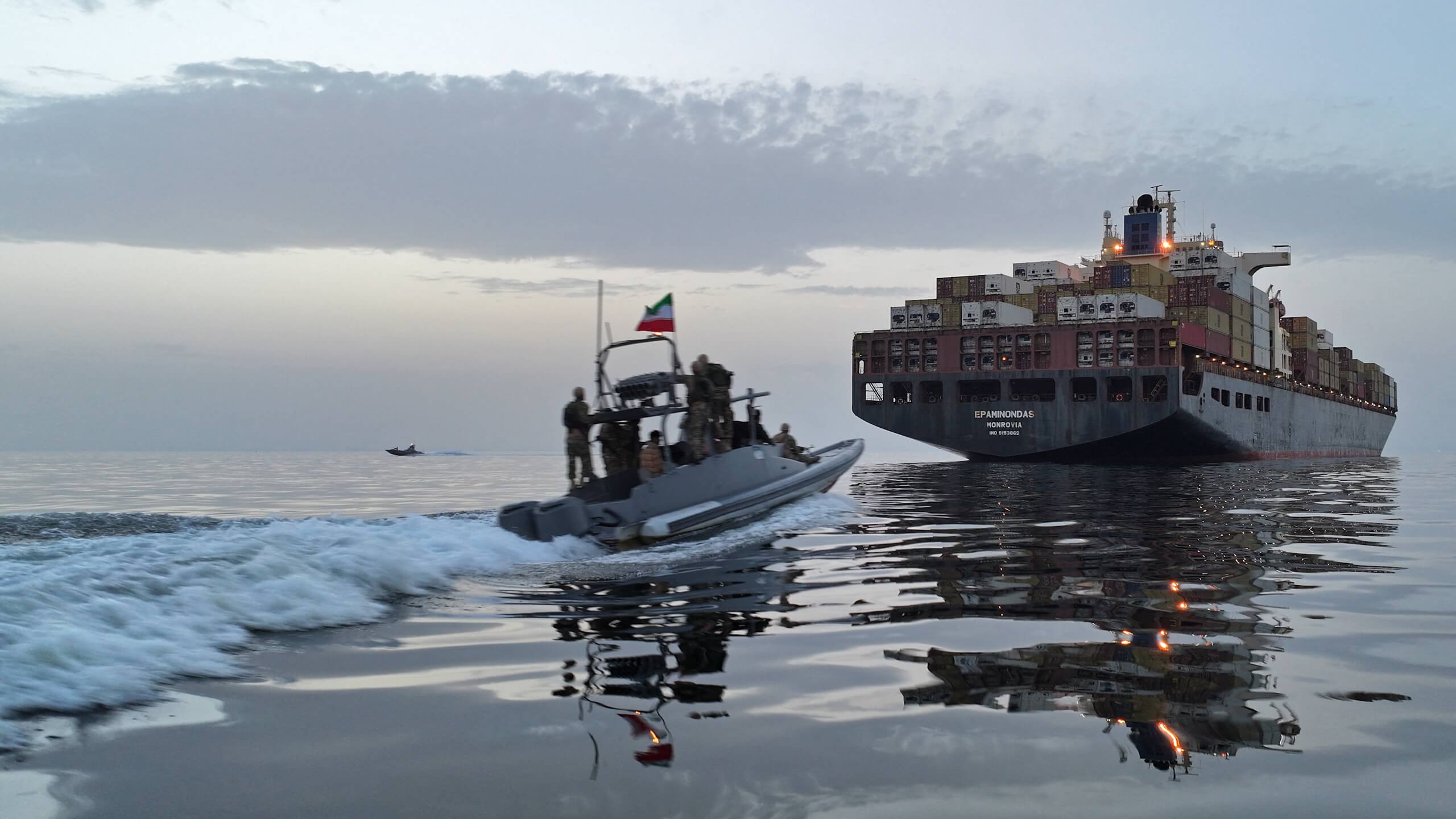
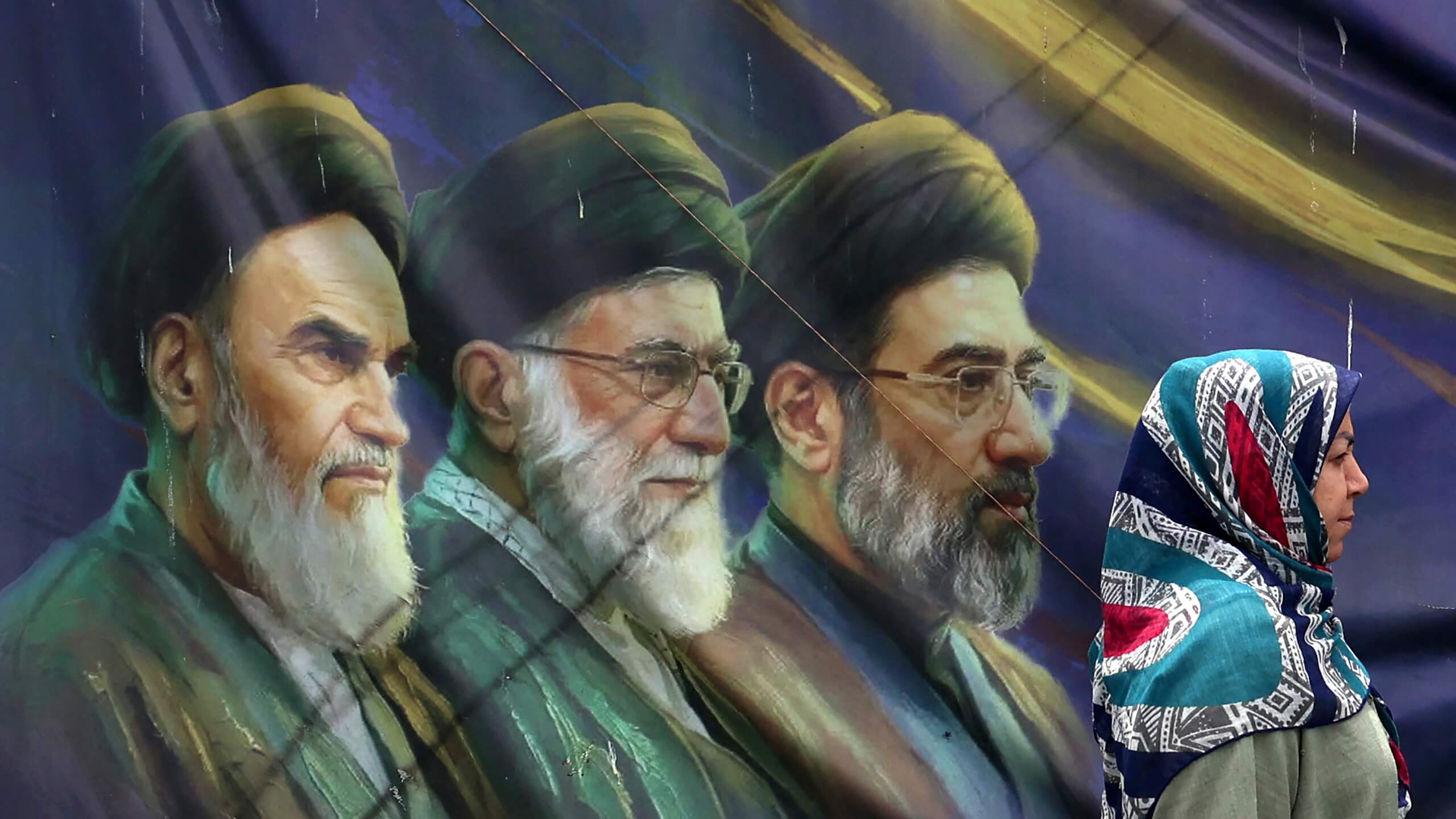
The United States and Israel are in a long-run conflict with the Islamic Republic of Iran and its proxies. If you were expecting this conflict to end with American tanks rolling into Tehran or the immediate installation of a Shah or even a liberal democracy, you were always going to be deeply disappointed. No serious thinker has put forward a viable plan for externally imposed regime change in Iran. For the Ayatollahs to fall, the fracture must come from within—including a revolt by elements of the regular Iranian Army or the Islamic Revolutionary Guard Corps (IRGC). That revolt hasn’t happened—yet.
But look closely at the domestic situation in Iran: despite the external pressures and military strikes, there has been no patriotic rally to the regime. The Iranian people despise their rulers. The foundation of the Islamic Republic is rotting away, and it is likely that in a few years, this regime will no longer exist.
This prospect should dictate the military posture of Iran’s adversaries. The objective of any military action against Iran shouldn’t be to topple the regime tomorrow but to accelerate its inevitable decay while permanently crippling its ability to project power in the meantime.
The calculus is simple. If the recent punitive campaign against Iran and its proxies only weakens them for two years, then the juice may not have been worth the squeeze. But if a punitive war heavily degrades Iran’s military infrastructure, shatters its proxy networks, and buys a decade of weakness? That would be a decisive, historic victory. Because a decade from now, the regime won’t be there to rebuild it.
War is statesmanship by use of deadly force. The statesman needs to think in decades and centuries, and one of the tools he must have at hand is the quick but rarely quickly decisive application of punitive war.
Read more Did Trump Snooker Iran?