






Countries do not have to like each other, but global friction is reduced when they share standards of good conduct. The world is better off because the risk of war is reduced when all states share those standards, which have been established over many decades or centuries of international politics.
Read more Movie Review: ‘Disclosure Day’
The greatest source of tension in world politics is that Communist China rejects those standards in almost all aspects of international politics, all the time. Americans need to know what Communist China has been doing and how its practices demonstrate they are a dangerous, immoral actor, which has planted the seeds of global conflict through the rejection of good conduct. A review of Communist China’s rejection of the standards of right in global issues is long and appalling. From lies about COVID-19, to pollution, to violations of cyber norms, to intellectual property theft, to facilitating fentanyl production and distribution, to fishing violations in international waters, to many more issues on land, air, sea, space, and cyberspace could be addressed. But here are three that demonstrate Communist China’s rejection of the basic rules of morality.
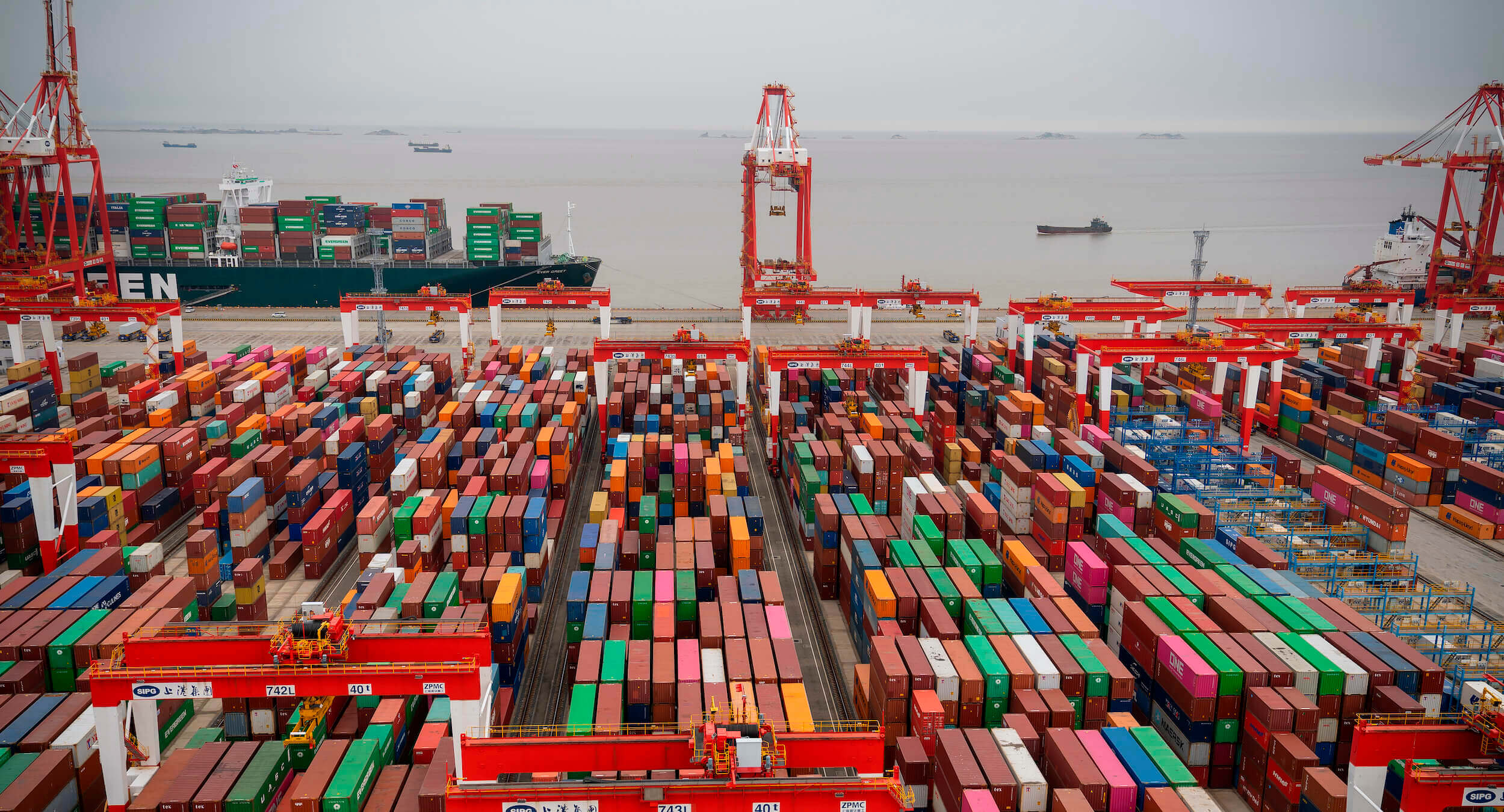
First, the world depends upon freedom of navigation for commerce and trade—and has for centuries. In fact, Communist China’s economy depends heavily on its merchant vessels being able to reach the global economy. Yet, the People’s Republic of China (PRC) violates freedom of navigation in the South China Sea (SCS) and in the air and sea around Taiwan. The virtual seizure of islands that rightfully belong to the Philippines or other states, or the PRC’s illegal creation of them in the SCS, violates international law, the United Nations Convention on the Law of the Sea (UNCLOS), and the Association of Southeast Asian Nations (ASEAN) Declaration on the Conduct of Parties in the South China Sea. Communist China is militarizing the SCS and coercing other states of the region, especially the Philippines, Taiwan, and Vietnam, and it is also doing so globally, including circumnavigating Australia in 2025 and holding military exercises in the Tasman Sea. The rest of the world believes in maritime freedom. The fact that Communist China does not is a source of worsening tension.
Second, the PRC’s long record of human rights abuses since it came to power in 1949. The Chinese people live under an authoritarian Communist regime that severely restricts basic freedoms. Even the ability to move money abroad is tightly controlled, and emigration is often subject to significant government barriers. A government that limits its citizens’ freedom to leave or transfer their assets begins to resemble a prison more than a home.
The Chinese people are largely unable to resist the Chinese Communist Party’s (CCP) misrule because of the regime’s pervasive authoritarian controls. They are trapped in a political labyrinth from which there is no clear escape. The CCP’s extensive surveillance apparatus, censorship regime, and security services make it extraordinarily difficult for dissent to coalesce into a sustained movement for political reform or democracy. While isolated protests occasionally succeed in securing local concessions, they rarely develop into broader challenges to Party rule.
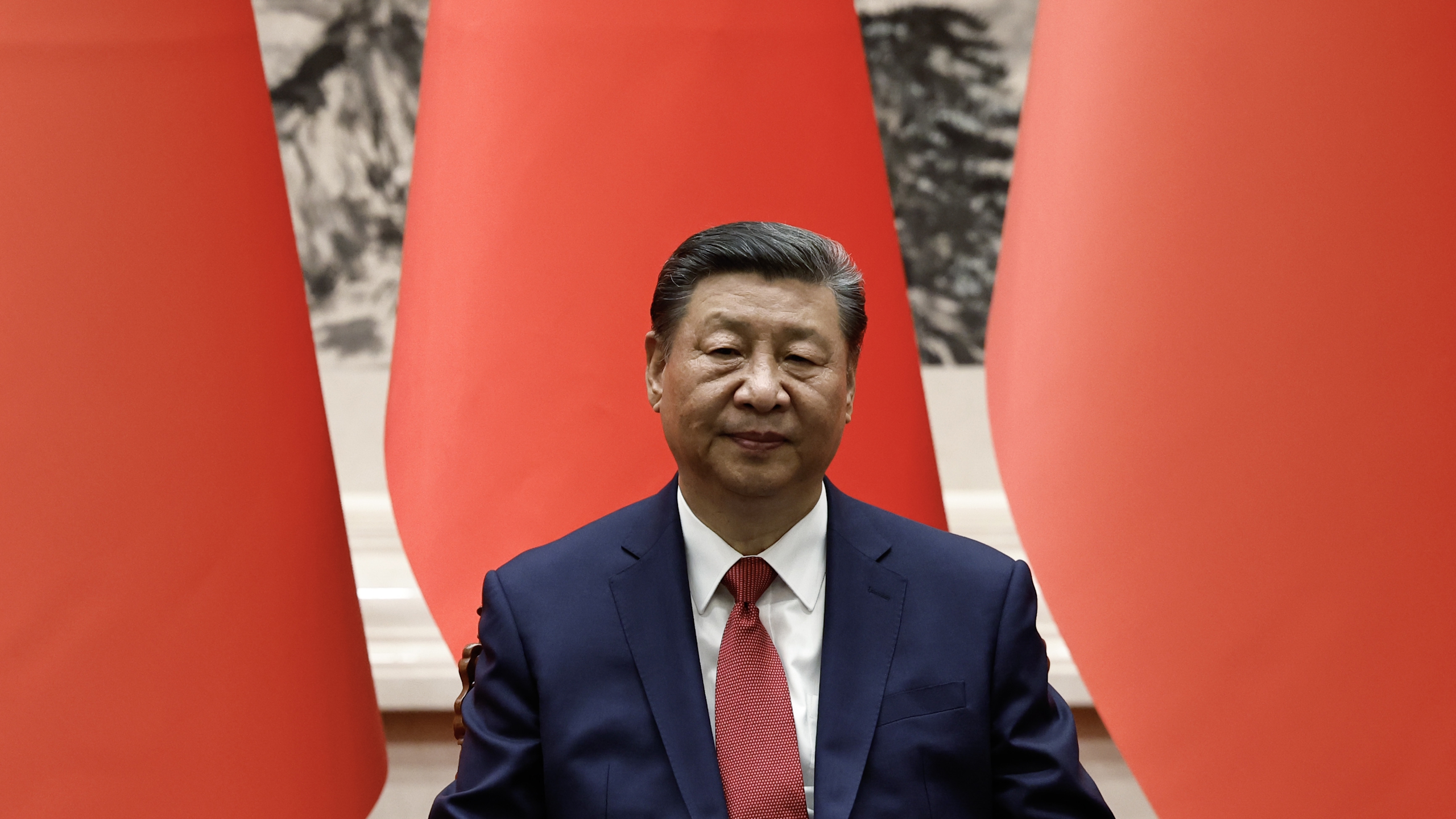
Nor is there any realistic prospect of a reform movement emerging from within the CCP akin to Mikhail Gorbachev’s glasnost and perestroika. To the contrary, Party leaders routinely cite the collapse of the Soviet Union as a cautionary tale and a warning against political liberalization. Likewise, there is little reason to expect the regime to moderate under Xi Jinping. Xi has centralized power to a degree unseen in decades and has moved China toward greater ideological conformity, tighter political control, and a revival of practices reminiscent of the Mao era.
The Party has lost legitimacy, and so it rules through its monopoly of power and its omnipresent and efficient control of the Chinese people. But power and control cannot be the source of political legitimacy. There are two major implications of this. First, the regime knows it is not legitimate and thus seeks to deny religious freedom, crush its Tibetan and Muslim minorities, and tighten its grip on Hong Kong, in direct violation of the 1984 treaty between the United Kingdom and the PRC protecting Hong Kongers’ human rights. This suppression will continue and is likely to worsen, as the source of these crackdowns is rooted not in other actors but in the Party itself. The Party is hollow. From its illegitimacy comes its repression and tyrannical rule.
At the same time, the world should not expect that this repression will cause significant unrest that could lead to political change. This is due to the power of the surveillance state and its ruthlessness in suppressing individuals and movements that might otherwise blossom into viable political alternatives. The world should lament the suffering of the Chinese people, and that lamentation should be followed by action to aid China’s population.
In addition, the CCP should not be treated as a legitimate regime. It is not a normal state operating within the bounds of accepted convention. Undeniably, the CCP is in control of China now and for the foreseeable future. But the United States and the rest of the international community should not allow the CCP to bolster its claims to be the legitimate government of China. The Chinese people must determine political legitimacy. If given a choice, they would likely prefer the government of the Republic of China or another form of representative democracy.
As the CCP rejects popular consent, the international community should treat it as outside the bounds of acceptable international political conduct and, in some respects, outside international society. Accordingly, the world should view the CCP in a manner similar to the apartheid regime in South Africa. That regime faced a range of isolation measures, including cultural and economic boycotts, such as entertainers refusing to perform in South Africa.
Read more America’s Forgotten Founding Father: John Witherspoon
With Communist China, a similarly multifaceted approach would be required. This would include boycotts, reduced diplomatic engagement, limiting Beijing’s participation in international and nongovernmental organizations, and decoupling parts of the global economy from the PRC. No state should participate in the Belt and Road Initiative (BRI), and those that do—including European states and other U.S. allies—should recognize that they are supporting and legitimizing an illegitimate polity.
Third, the U.S. wants to have a good relationship with Communist China, but cannot because the PRC rejects the possibility of improved relations. Communist China rejects the standards of acceptable international behavior and the basic norms of world politics. Only the rulers of Iran, North Korea, and Pakistan are its friends. Through its actions, Beijing denies itself the possibility of improving relations with the United States.
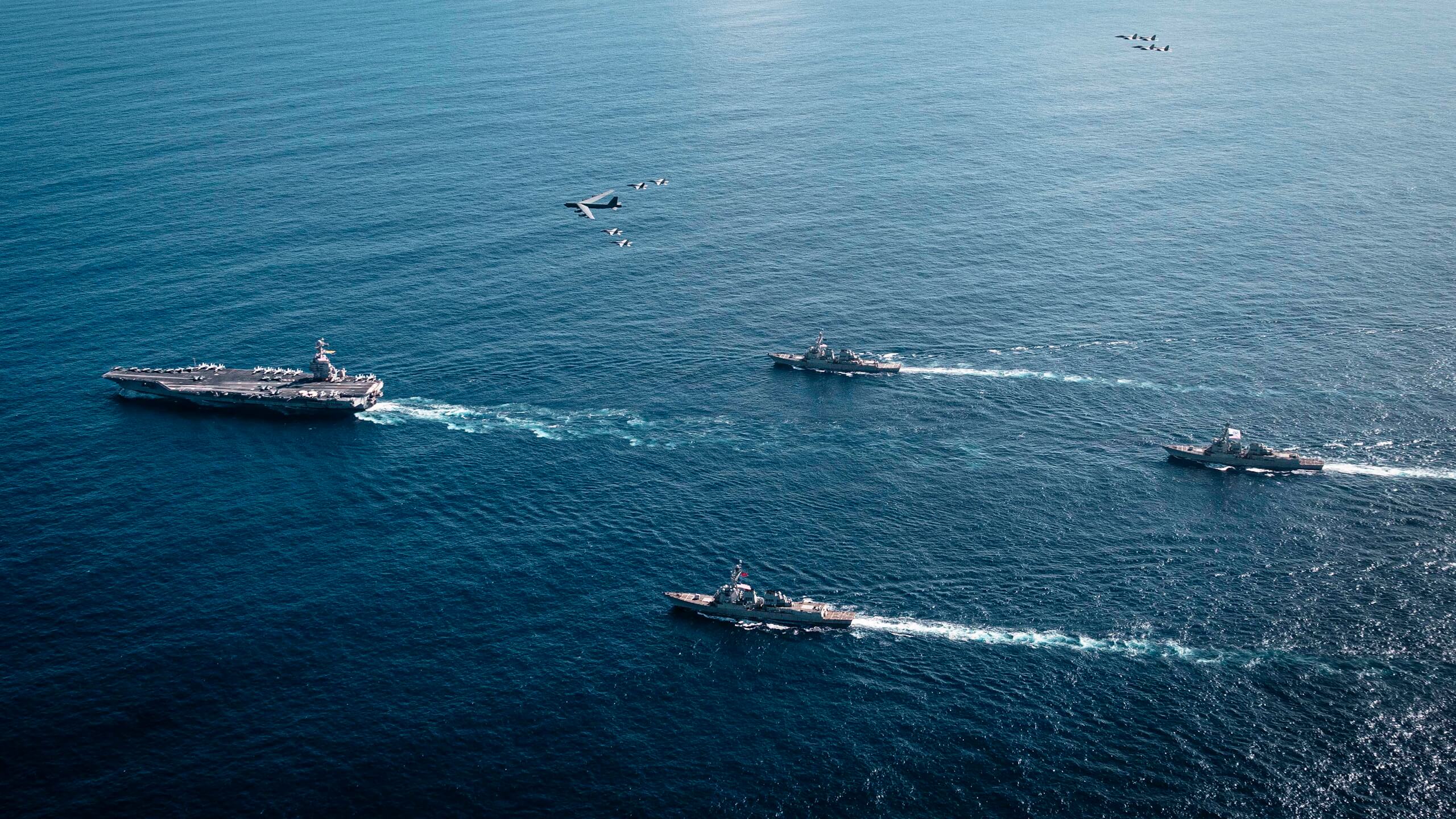
Communist China frequently clashes with other states. It challenges the United States and its allies and rejects widely accepted standards of international behavior. This increases the likelihood of intense security competition and potential conflict between the United States and its major allies in the Asia-Pacific region.
The PRC also supports a range of authoritarian states around the world. China’s presence in Africa, Asia, and Latin America is often characterized by concerns about economic dependency, environmental degradation, and unequal bargaining power with local governments.
In contrast, as a democratic society, the United States maintains a broad network of alliances and partnerships around the world. It generally has stronger and more established cooperative relationships with states in Africa, Asia, and Latin America than the PRC.
It is time for the world to hold the CCP to account. The CCP maintains its power through its security apparatus, advanced information systems, and the use of fear. The world may not be able to change the CCP, but it can identify the regime as illegitimate and increase the costs of its rule.
It should be united in supporting the liberation of the Chinese people from CCP rule and in encouraging its replacement with a legitimate government.
* * *
Bradley A. Thayer is an American Freedom Alliance Fellow and the author of the forthcoming America’s Hundred Years’ War: How to Win Against Communism.