







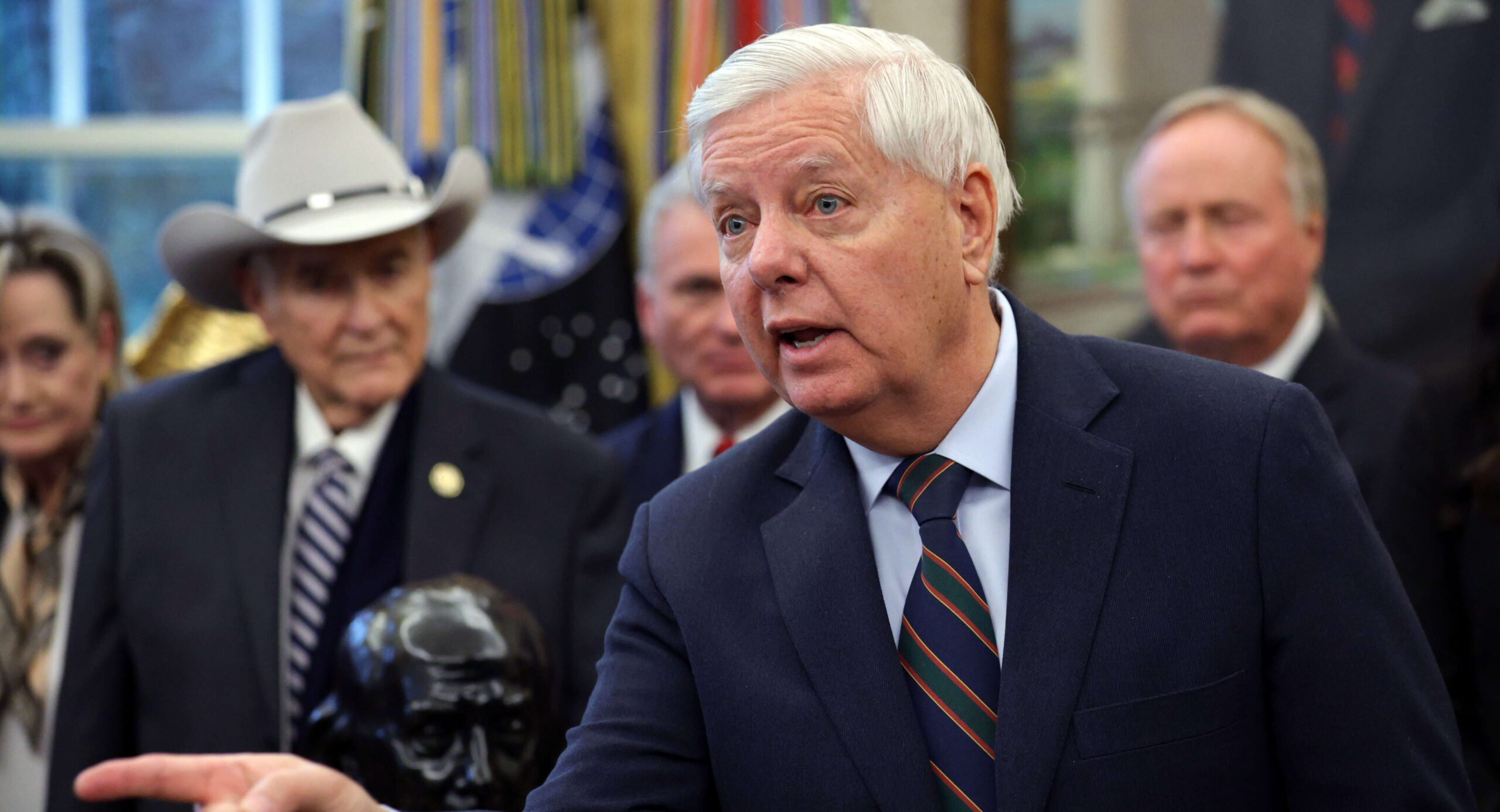
Senator Lindsey Graham, R-S.C., a stalwart conservative voice on national security and one of President Donald Trump’s most steadfast Senate allies, died Saturday night at his Washington residence following what his office described as a “brief and sudden illness.” He was 71.
Read more Where Was the ‘No Stock Trading!’ Democrat Outrage Over the Pelosi Family?
Graham’s official accounts announced the news shortly after 2 a.m. Sunday, asking the public for prayers and privacy for his family during the difficult time.
Emergency crews responded to Graham’s home Saturday night after a report of cardiac arrest, according to police scanner audio. The senator had returned to Capitol Hill just a day earlier from Kyiv, Ukraine, where he met with President Volodymyr Zelenskyy as part of his continued advocacy for a strong American stand against foreign aggression.
Graham’s office confirmed the senator’s death in a post on X.
Statement from the Office of U.S. Senator Lindsey Graham (R-South Carolina). pic.twitter.com/CQ5yVvqTH1
Read more The DSA Takes Over the Democrat Party
— Lindsey Graham (@LindseyGrahamSC) July 12, 2026
“Unfortunately the news is true. Incredibly sad day,” Kevin Bishop, who served as Graham’s communications director for 27 years, wrote on X. “As his Communications Director for 27 years he was truly one of a kind and will be greatly missed. South Carolina and America have lost a great public servant.”
Graham represented South Carolina in the Senate for more than two decades, establishing himself as one of the chamber’s most reliable defenders of a muscular American foreign policy and a fierce advocate for border security. Earlier this year, he secured Trump’s full endorsement ahead of the Republican primary for his seat, which he went on to win in June. He was also among the leading champions in the Senate of the Safeguarding American Voter Eligibility Act (SAVE Act), legislation aimed at shoring up the integrity of American elections, and he was a vocal supporter of U.S. military action against the Iranian regime.
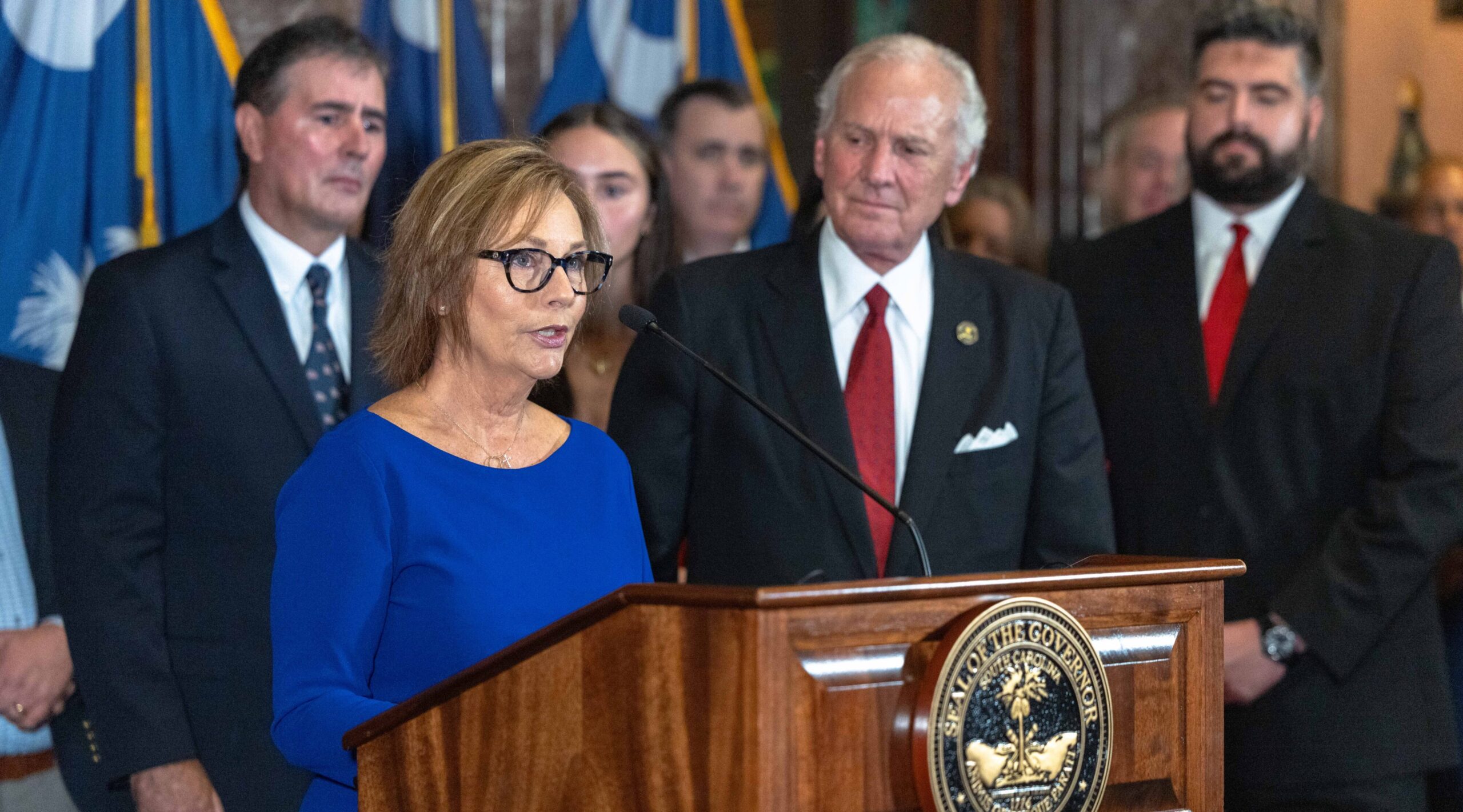
Under South Carolina law, Gov. Henry McMaster will be responsible for appointing a successor to fill the vacant seat until a special election can be held.
Read more Standing Athwart Despair: The Case for Cheerful Conservatism