






Iran is bleeding. The U.S. naval blockade is doing what years of sanctions could never achieve—it has done profound damage to the Iranian economy by cutting off its access to $300 million to $500 million a day in hard currency. Don’t be fooled by Iran’s recent “September surprise”—Iraqi militias striking a Saudi oil pipeline, Houthi fighters seizing islands in the Bab el-Mandeb Strait, and missiles and drones threatening Red Sea shipping. These attacks reflect a desperate Iranian regime that is running out of money and time.
Read more The Democrat Party and Its Supporters Are a Hive, Part Three
Since the U.S. reinstated the oil blockade in mid-July, no Iranian crude cargoes have successfully transited the Strait of Hormuz to China, and as of September 1, Iran had gone roughly seven weeks without shipping meaningful crude exports—the longest such stretch on record. Iranian oil that does get loaded onto tankers is piling up in storage and cannot get out of the Arabian Gulf.
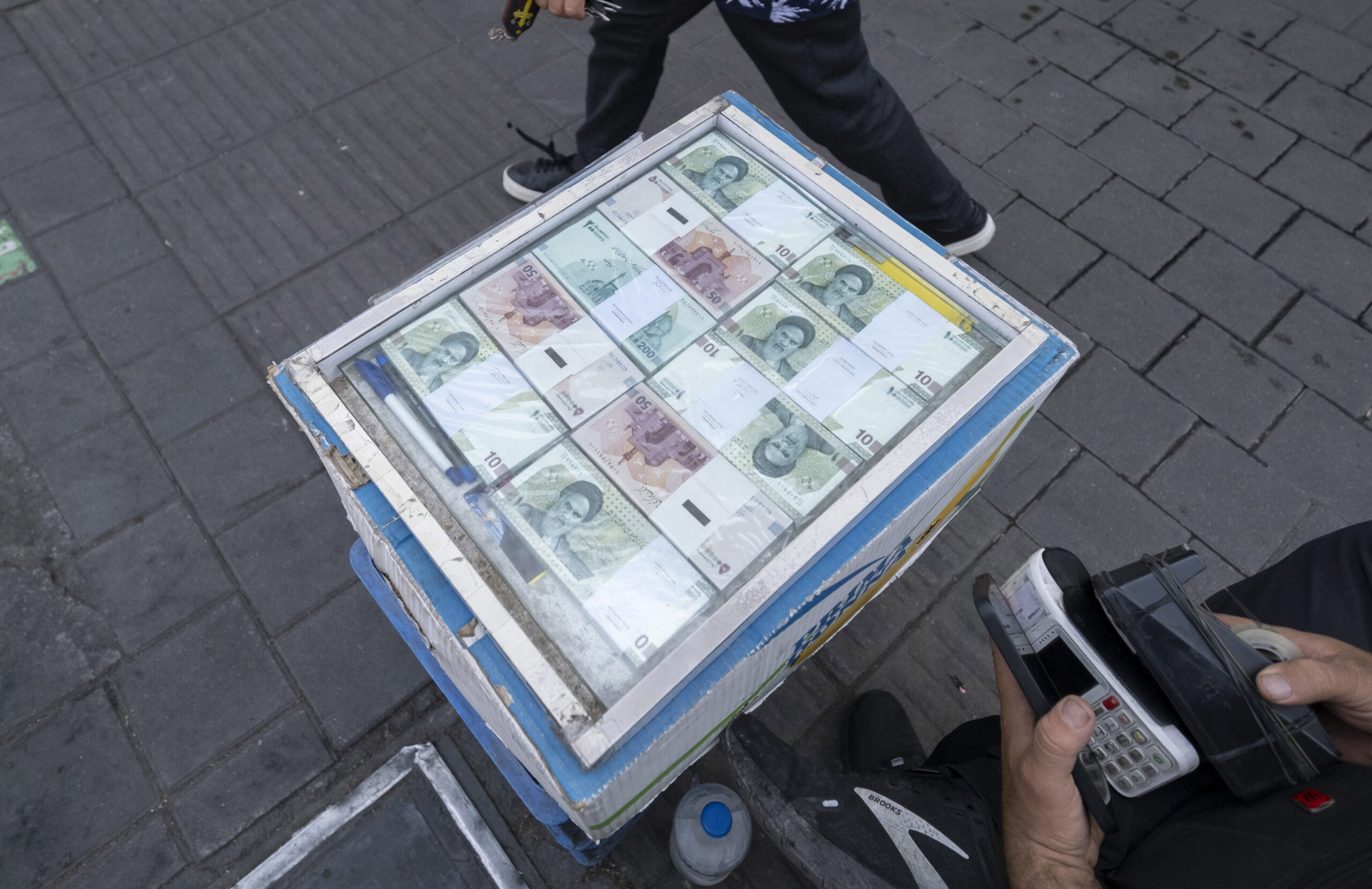
Iranian President Masoud Pezeshkian has spoken openly in recent weeks about oil export losses, gasoline shortages, and the strain sanctions and war have placed on ordinary Iranians—an unprecedented admission from a government that has spent decades insisting its enemies, not its own mismanagement, are to blame for hardship at home. Pezeshkian has warned that Iranians are “on the edge,” even as his government moves to raise fuel prices further. Year-over-year inflation hit about 89 percent in August; food inflation exceeded 127 percent. Families are skipping meat for weeks. They are selling off savings just to keep the lights on. When a sitting Iranian president talks about hunger and suffering, this is not a regime that is “winning.”
Hardliners deny this and are resorting to the old Iranian playbook: escalate through proxies to instigate domestic pressure to force an American president to back down. Iraqi militias launched drones at Saudi Arabia’s East-West pipeline, the route that lets Riyadh move oil to the Red Sea and bypass the Strait of Hormuz. At the same time, Yemen’s Houthi rebels, an Iranian terrorist proxy, seized small islands in the Bab el-Mandeb Strait, tightening their grip on this southern Red Sea chokepoint. They have also fired on Red Sea shipping and threatened oil tankers.
The new attacks will not change the war’s trajectory against Iran. They are a desperate attempt by Tehran to pressure Trump ahead of the November midterms, frighten oil markets, and force Washington to end the blockade. Although the Houthis made headlines, they are not a match for U.S. and Saudi forces, which will hit them hard and reverse their aggression.
Inside Iran, the pressure is already producing cracks. Reports from Tehran describe an increasingly open rift between Pezeshkian, who has pushed for a return to talks with Washington, and hardliners who have the upper hand and have pushed for continued escalation of the war. A hardline lawmaker reportedly floated a constitutional mechanism to remove Pezeshkian from office, comparing him to Iran’s first post-revolutionary president who was ousted by parliament in 1981. Although this effort doesn’t yet have the votes to succeed, the fact that it was raised at all, in the middle of a war, indicates the growing divisions in Iran’s leadership. Add to this a supreme leader who has disappeared from public view and may be brain-dead or deceased, and accounts of shouting matches and resignation threats among Iranian generals. A regime that is debating whether to remove its president in the middle of a war while its economy is being destroyed is losing its grip.
A government under this kind of pressure—a starved treasury, soldiers and police who need to be paid, a fracturing leadership, and a brutally oppressed public desperate for political change—does not have the luxury of months. It has weeks, and it knows it. That is what is behind Iran’s “September Surprise” attacks—a desperate attempt to break U.S. will before Iran’s finances totally collapse.
It will not work. President Trump understands that every dollar of oil revenue Iran fails to collect is a dollar it cannot spend on the Islamic Revolutionary Guard Corps (IRGC), Hezbollah, the Houthis, its military, and its nuclear weapons and missile programs. He is not going to lift the blockade because of a temporary spike in proxy violence.
The road ahead will still be difficult. Saudi Arabia’s cross-country oil pipeline may be offline for days or several weeks. There will be an escalation against the Houthis, with the usual protests from the mainstream media and the United Nations. Global oil markets will be under stress until these attacks are answered.
The alternative is worse. Easing the pressure that has brought Iran’s economy and its internal politics to the brink would trade a temporary market headache for a longer war. A regime this financially exposed, this politically divided, and this dependent on proxy attacks to look strong cannot take many more months of this. The blockade is working. The evidence is not in statements by U.S. officials. It is in the admissions of Iranian leaders, their infighting, and their frantic effort to force President Trump to blink first.


