








Canada’s picturesque Sea to Sky Highway from Vancouver to Whistler, British Columbia, stretches 75 miles through soaring scenery. One of my favorite drives, the route takes travelers from sea level to an elevation of 2,200 feet, with nearby peaks rising more than four times higher. Canada’s economic ascent during the latter part of the 20th century was similarly impressive. The country remained one of the world’s strongest economies through the global recession of 2009.
Read more Morning Greatness: Graham Platner Says He’s ‘Suspending’ Maine Senate Bid
But things took a different turn over the past decade. With the rise of climate politics, the anti-fossil fuel Paris Agreement and the accompanying net-zero movement pushed Canada’s hydrocarbon sector out of favor.
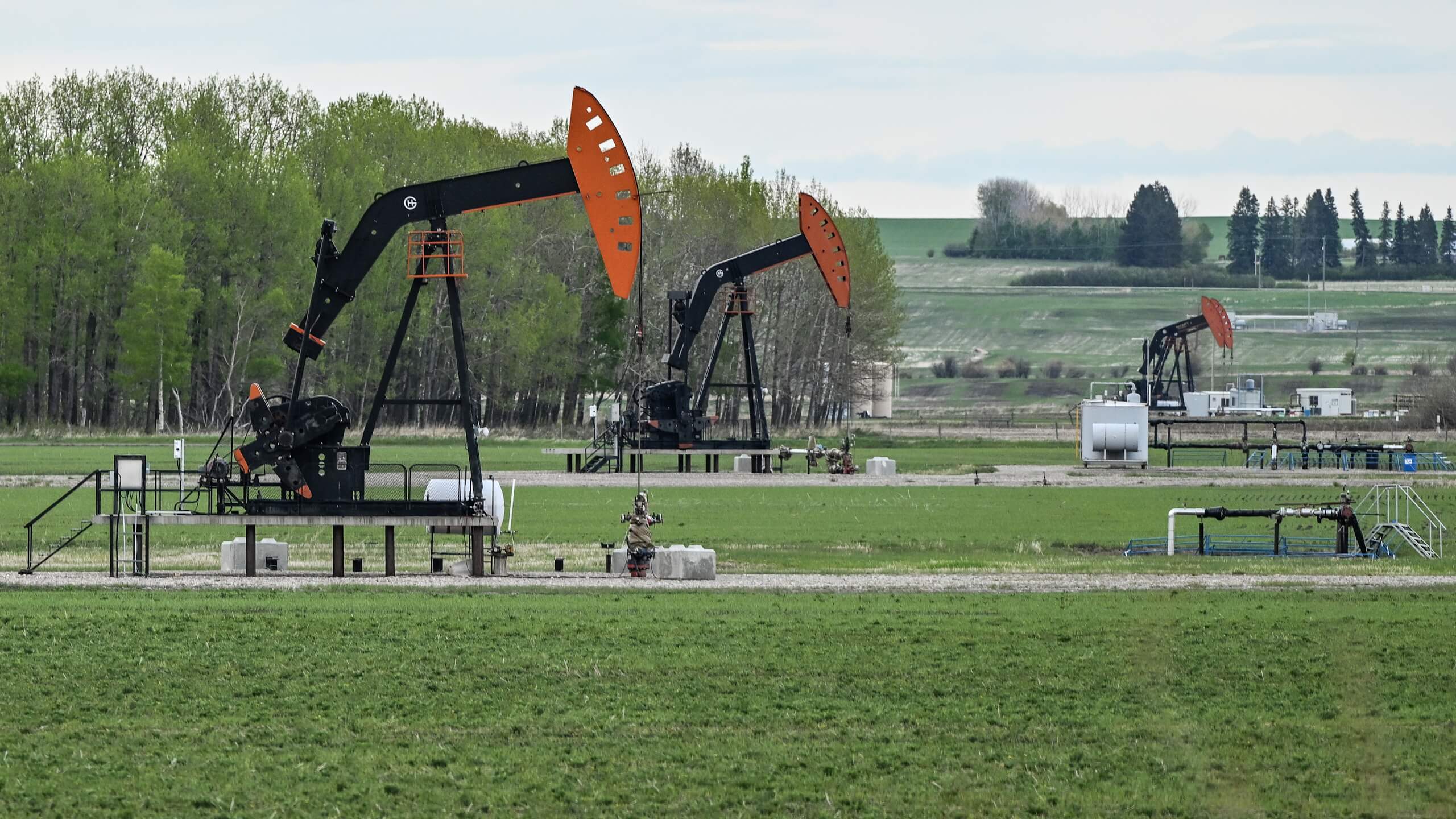
Now, in 2026, economic realities are reasserting themselves, and Canada appears to be returning to more pragmatic energy policies. Provinces have begun taking steps to expand oil and gas production and exports.
That renewed focus is reflected in a growing willingness to revisit projects that had stalled because of regulatory hurdles. Policymakers are speaking less about restricting hydrocarbon development and more about meeting global energy demand. That marks a departure from the federal government’s longstanding policies toward the sector, as well as similar positions previously held by some provincial leaders.
Leaders of the Group of Seven recently recognized Canada’s potential to increase energy supplies to global markets and highlighted the country’s importance to trading partners in Asia. Alberta’s oil sands, in particular, offer a dependable supply option for Asian buyers seeking to reduce their reliance on concentrated supply routes through regions such as the Middle East.
South Korea plans to increase imports of Canadian crude oil by as much as 300 percent this year, to 16 million barrels, with the possibility of reaching 20 million barrels annually. Seoul is also targeting imports of more than 3 million metric tons of Canadian liquefied natural gas each year through expanded investments in liquefaction facilities and export infrastructure.
Canada also has strengthened energy ties with Germany through a provisional liquefied natural gas agreement, reflecting Europe’s continued search for secure energy supplies following years of geopolitical instability in natural gas markets.
For Canada, the opportunity extends beyond export revenue. Long-term supply agreements can reduce exposure to volatile global markets by creating predictable demand. Stable contracts encourage infrastructure investment, support job creation, and provide more consistent revenue.
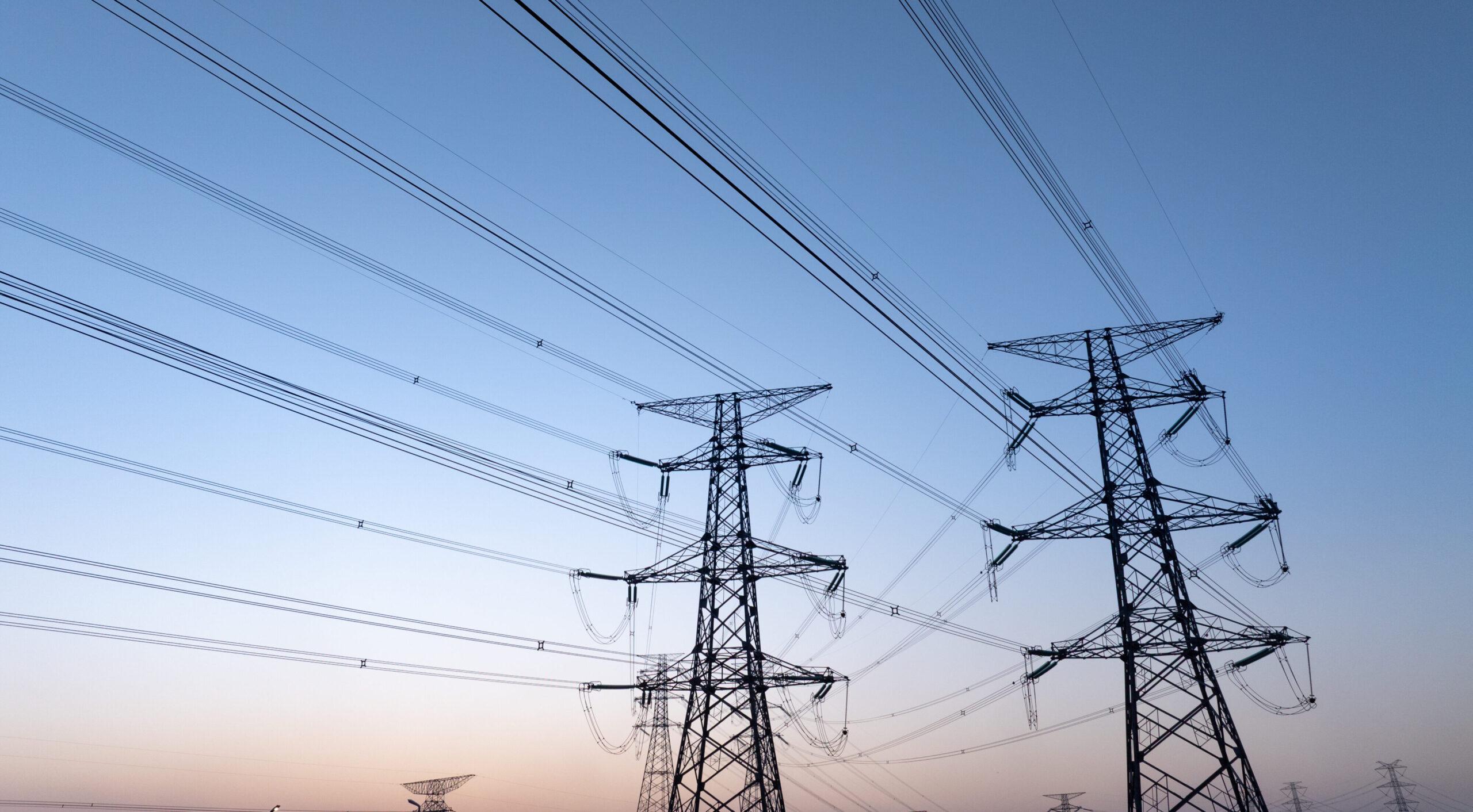
At the same time, domestic realities are prompting a reassessment of Canada’s own energy policies. Natural gas, once viewed as a transitional fuel to be phased out quickly, is increasingly being recognized as essential for maintaining grid reliability.
Read more Credentialed, Dependent, and Unemployable: The Washington Post’s Cautionary Tale Backfires
Proposed artificial intelligence data centers cannot be supported solely by even large-scale battery-backed solar installations. They require the dependable generating capacity provided by natural gas plants. In New Brunswick, NB Power has said a 500-megawatt natural gas plant will be needed by 2028 to avoid rolling blackouts. Neighboring Nova Scotia has already agreed to purchase one-fifth of the plant’s output.
Nova Scotia also sits atop substantial natural gas reserves. The province has an estimated 3 trillion cubic feet of recoverable natural gas, a resource that previous analyses identified as underused.
Farther east, Newfoundland and Labrador have updated assessments of offshore natural gas deposits and begun work on commercial development and liquefied natural gas exports.
Another significant opportunity comes from the Trans Mountain Expansion pipeline. Over the next 20 years, the project is expected to generate $17 billion in economic activity, create 36,000 full-time equivalent jobs, provide $3.7 billion in wages, and generate $2.8 billion in tax revenue. Those figures represent tangible economic benefits that support families and help fund public services.
Political coordination also appears to be improving. Negotiations between Ottawa and British Columbia over major energy projects, combined with Alberta’s parallel efforts, suggest a greater willingness to align federal and provincial priorities. For years, competing jurisdictions often left major projects in limbo.
The outlines of a new energy strategy are becoming clear: expanded pipelines supplying coastal terminals, liquefied natural gas exports from Atlantic and Pacific ports, long-term contracts connecting Canadian producers with customers in Asia and Europe, and a domestic electrical grid supported by reliable generation.
The recent shift toward pro-energy policies offers the prospect of greater self-reliance while strengthening Canada’s position as a major global energy supplier. If the country remains on this course, it can strengthen its own economy while helping meet the world’s growing energy needs—a role worthy of the majesty of the Canadian Rockies.