






The agriculture lobby has discovered something important about foreign competition: Sometimes cheaper is not actually cheaper.
Read more Fifth Columns in America, Part One
That revelation came after President Donald Trump announced plans to allow another 300,000 metric tons of foreign beef into the United States in an effort to bring down grocery prices. The biggest agricultural lobbying groups, like the American Farm Bureau Federation (AFBF), were not amused.
AFBF warned that flooding an already struggling market with hundreds of millions of pounds of foreign beef could undermine American ranchers who are trying to rebuild their herds after years of drought.
The organization put the larger point rather nicely: “A strong domestic food supply is easy to take for granted … until it’s gone.”
The cattle herd is already at historic lows, ranchers are trying to rebuild, and that rebuilding takes years. Importing large quantities of foreign beef at precisely the wrong moment could destroy the economic incentive ranchers need to expand their herds.
That is a perfectly reasonable argument. It is also an argument the agriculture lobby ought to apply to the rest of the economy. Because earlier this year, when the domestic industry in question was maritime rather than cattle, its advocates took a rather different view. Groups like the American Farm Bureau Federation and the National Cattlemen’s Beef Association signed a coalition letter calling for permanent Jones Act reform, including permanent exemptions or streamlined waivers for agricultural inputs and energy products.
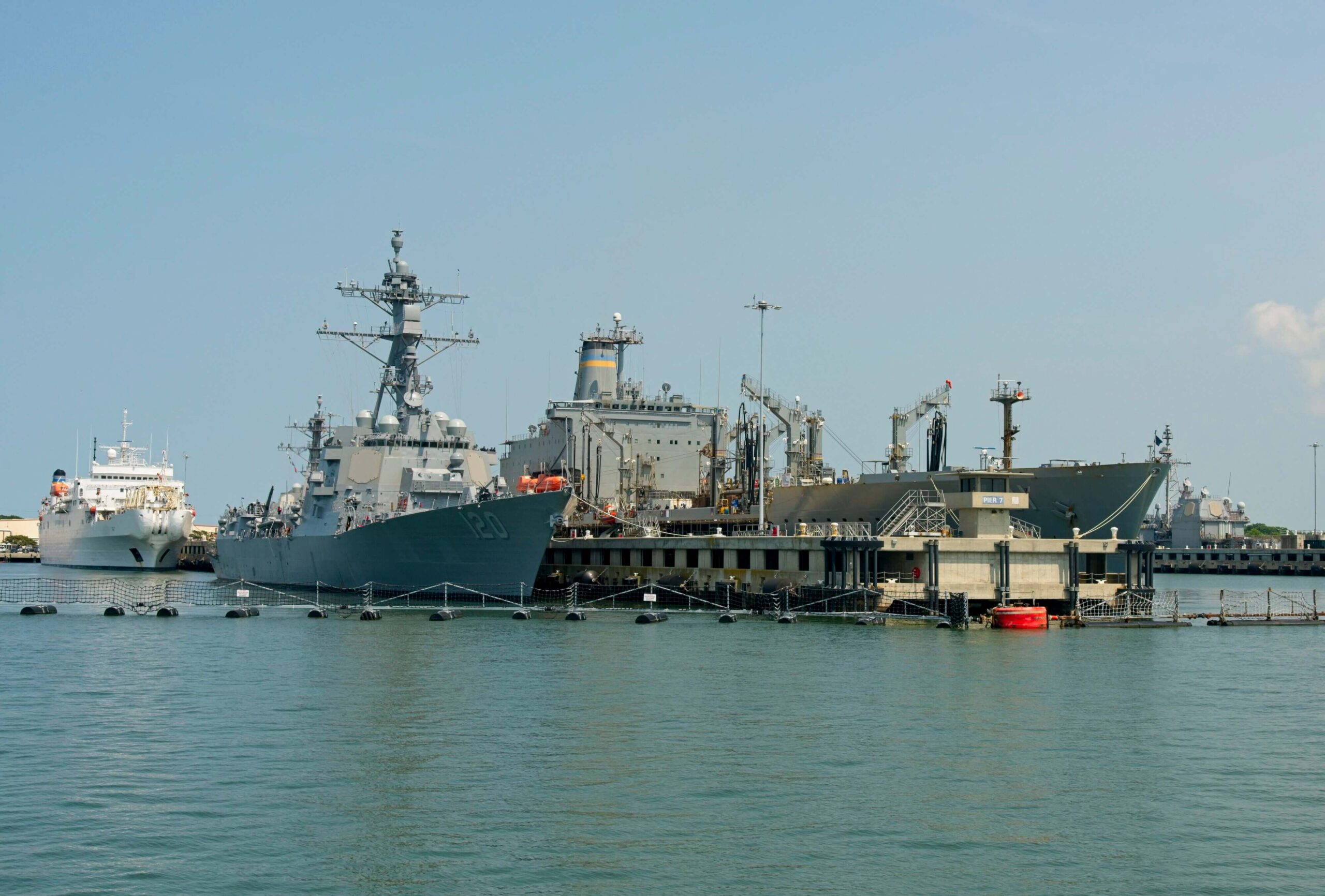
The Jones Act has been a foundational law for American maritime commerce for more than a century, much as longstanding federal grazing laws have shaped American ranching. The law requires every ship moving cargo from port to port in the United States to be American-built, American-owned, and American-crewed.
When fertilizer and fuel prices rose amid disruptions tied to the war in Iran, the lobby applauded President Trump for temporarily waiving Jones Act requirements, saying the move would allow more ships to bring critical supplies into American ports.
Apparently, the rule is this: If foreign competition hurts the rancher, protect the American producer. If foreign competition targets the shipyard, who cares?
That is not the right approach.
An American ship is not merely a floating delivery truck. It represents an American crew, an American maritime workforce, a domestic shipbuilding industry, marine engineers, welders, mechanics, suppliers, and an industrial infrastructure that takes decades to develop. The Jones Act shipping industry creates more than 650,000 jobs across the country.
Once those capabilities disappear, they cannot be summoned back with a congressional hearing and a generous PowerPoint presentation.
That is the lesson the ranchers are correctly trying to teach Washington about cattle.
Read more Cheese Balls: The Race of Welfare Fraudsters Actually Matters in 2026
The United States should not deliberately make its domestic maritime industry weaker because foreign vessels can sometimes move cargo more cheaply. That is precisely how countries like the United Kingdom have lost these strategic industries.
Economic security involves more than asking which supplier offers the lowest price this week.
That’s the funny thing about markets: The guy who gets the cheaper input doesn’t always pass the savings to the guy at the checkout counter. The agriculture industry has said as much itself, noting that additional beef imports are unlikely to lower consumer prices and that nothing in the policy requires retailers to pass savings along.
Meanwhile, foreign beef importers stand to collect hundreds of millions in tariff relief while American ranchers watch the value of their herds fall.
That same skepticism belongs anywhere someone promises that weakening the Jones Act will magically produce lower prices for consumers or increase supplies.
So far, only about a dozen voyages carrying fertilizer or fertilizer-related cargo have occurred under the Jones Act waiver. Meanwhile, fertilizer prices have stayed high, and America’s agricultural industry is still reeling.
What’s certain is the erosion of domestic maritime capacity. A PwC analysis commissioned by the Transportation Institute, a trade group representing U.S.-flag shipping companies, estimated that a sustained waiver could put up to 130,000 American jobs and $1.8 billion in annual tax revenue at risk.
Everyone wants cheaper fertilizer and fuel. But cheap and immediate isn’t sustainable, whether you raise cattle or build ships. America has hollowed out enough industries chasing that fix already. When I think about it, I hear “CHYYNAH” in the President’s voice.
Farmers, ranchers, energy producers, shipbuilders, mariners: these aren’t competing versions of American strength. They’re pieces of the same thing.
The agricultural industry has stumbled onto a good rule for economic policy: don’t destroy domestic productive capacity just because someone overseas offers a lower price today.
If that’s good enough for the American cattle herd, it’s good enough for the American fleet.
Read more Report: Hospitals Using AI to Push Medical Costs Higher by $942 Million