




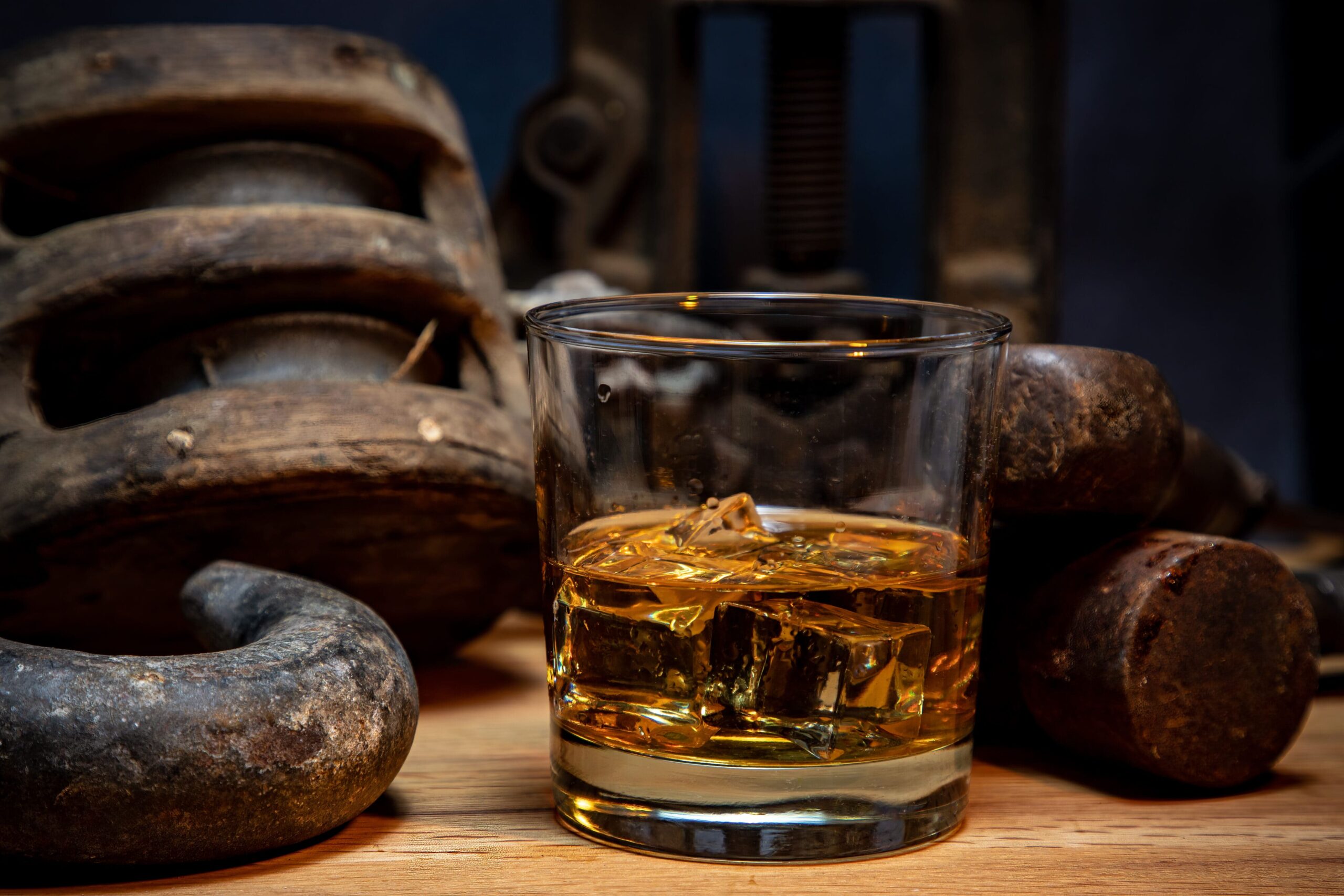
The Supreme Court agreed Monday to hear a constitutional challenge to a nearly 160-year-old federal law prohibiting Americans from distilling liquor in their own homes. The case sets up a major test of congressional taxing authority and federal government power.
Read more California Billionaire Tax Struggles to Gain Majority Support as Voters Fear Expansion
The case, , centers on an 1868 Reconstruction-era law that makes it illegal to produce distilled spirits such as whiskey, vodka and moonshine at home, even though Americans can legally brew beer and make wine for personal consumption.
Violating the federal prohibition can result in up to five years in prison, a $10,000 fine or both.
The Supreme Court will review an April decision by the conservative , which ruled that the longstanding prohibition exceeded Congress’ constitutional authority.
The ruling conflicts with a separate April decision by the 6th U.S. Circuit Court of Appeals, which upheld the restriction as a legitimate means of protecting federal alcohol tax collections.
Both courts agreed that Congress’ taxing power alone does not authorize the ban. However, they disagreed over whether the Constitution’s Necessary and Proper Clause permits the restriction as a means of enforcing federal tax laws.
Challengers argue that Congress went beyond its constitutional powers by criminalizing home distilling through legislation originally intended to prevent commercial alcohol producers from evading taxes.
Read more Undocumented Student Enrollment in California Schools Takes a Nosedive
The Justice Department maintains that the prohibition is necessary to protect federal excise tax revenue and that eliminating it could weaken Congress’ ability to enforce tax laws.
Congress enacted the restriction in 1868 amid widespread concerns about alcohol-related tax evasion.
Some states already permit limited home distilling, but federal law continues to prohibit the practice regardless of state regulations.
Even if the Supreme Court strikes down the prohibition, Americans would not automatically gain unrestricted rights to produce liquor at home.
Federal licensing, registration and taxation requirements could remain in effect, while individual states could continue enforcing their own restrictions.