






Since the end of World War II, the United States has spent trillions of dollars defending Europe. After defeating the Nazis, America rebuilt the European continent with the Marshall Plan and shielded it from Soviet aggression while propping up European economies through subsidies and investments.
Read more Remembering the Memorials on Memorial Day
We bailed out failing governments. We airlifted food into Berlin when it was being choked off by the Soviet Union. We sent military aid. We ultimately saved Europe from communism.
And instead of gratitude, we receive lectures, censorship of American speech on European platforms, punitive fines against our tech companies, and open disdain for our values and way of life.
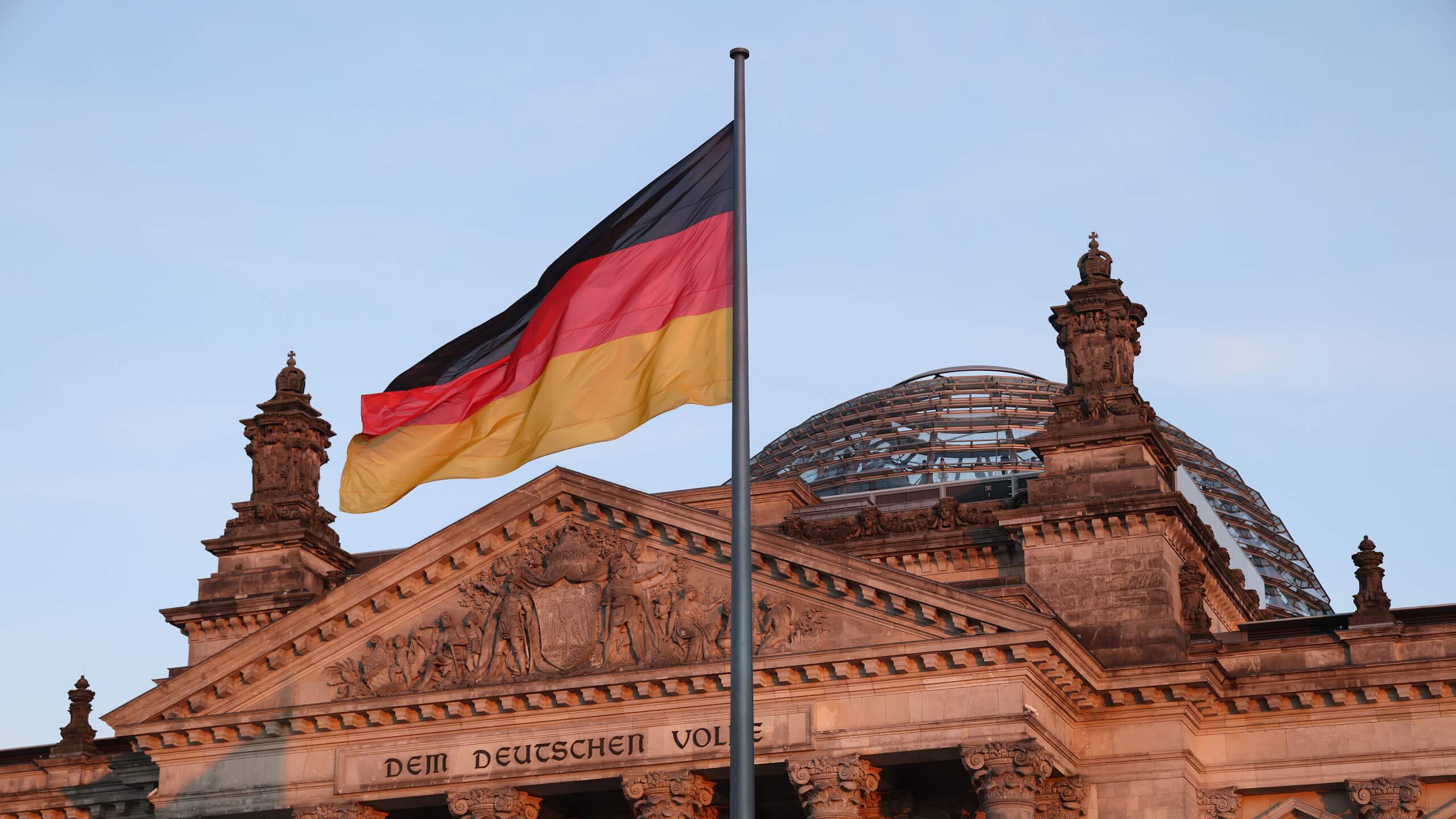
This week, the contempt was on full display in Germany. Chancellor Friedrich Merz declared he would not advise his own children, or presumably any young Germans, to study or work in America “because of the social climate that has suddenly developed there.” He made the United States out to be a vast wasteland where educated Americans struggle to find basic jobs. This comes from a country grappling with economic stagnation, energy crises, and demographic decline.
With a stunning sense of entitlement, Europe believes it has a right to American taxpayer generosity. For too long, they have underinvested in their own defense while expecting Washington to foot the bill.
During his first term, President Trump demanded that NATO live up to its treaty obligations by spending 5 percent of its GDP on defense. Many European nations fell woefully short, content to let American taxpayers subsidize their security while they funded their generous welfare states. Even after Russia invaded Ukraine, Europe continued to line Moscow’s pockets by purchasing its natural gas.
This pattern of dependency extends beyond military matters. European governments impose strict price controls on life-saving prescription drugs developed in the United States, capping what they will pay American manufacturers. To sustain the massive research and development costs required for new cures, companies naturally recoup those European losses in the freer US market.
The result? Americans end up subsidizing Europe’s healthcare systems, paying significantly higher prices so Europeans can enjoy lower ones.
President Trump has made this much clear—no longer will the United States tolerate being the world’s unwitting benefactor. Policies aimed at fairer pricing, a more level playing field, and reciprocity are essential to end this imbalance.
Read more Morning Greatness: America Observes Memorial Day
That’s why US Trade Representative Jamieson Greer, chief health department adviser Chris Klomp, German Ambassador Jens Hanefeld, and the rest of the Trump administration took the unprecedented step of demanding that Germany raise their own costs on prescription drugs. If a drug costs $10 in Germany, there is no reason Americans should pay $1,000 for it. This plan not only saves Americans money but will make life-saving medications more affordable for those who need them most.
Germany is a particular offender when it comes to free riding off America. Rebuilt after World War II with American dollars, still protected by American forces and bases on its soil, Germany nonetheless just slapped steep price controls on US-made medications. Having long benefited from Uncle Sam, they now want us to pay even more. President Trump knew he needed to act, and he did.
Chancellor Merz’s outburst reveals a simple truth—Europe believes it can benefit from America’s generosity without having to pay for any of it. Ending subsidies, demanding increased defense spending, reducing drug prices, and restoring balance in trade is not an “assault on democracy” but a necessity after decades of imbalance.
Alliances are a two-way street. Even as President Trump is fighting the tyrannical Iranian regime to wrest open the Strait of Hormuz, our “allies” just sit on their hands, expecting American firepower to keep the oil flowing.
Alliances are a two-way street. Even as President Trump is fighting the tyrannical Iranian regime to wrest open the Strait of Hormuz, our “allies” just sit on their hands, expecting American firepower to keep the oil flowing and protect them from Iranian ballistic missiles capable of reaching European cities with nuclear weapons.
The United States has not abandoned Europe but wants it to become more independent and economically viable. Europe can choose to rise to the occasion as genuine partners or watch the relationship evolve into something far more transactional. The choice is theirs, but the days of riding America’s coattails are numbered.
* * *
Tom Bibby is a former Member of the West Virginia House of Delegates. He lives in Falling Waters, West Virginia.